What retinoids do
Retinoids are forms of vitamin A. Skin converts them into retinoic acid, which switches on receptors in skin cells. In the short term that speeds up cell turnover, so skin looks smoother and more even. Over months it increases collagen, which softens fine lines. Tretinoin, the prescription form, has been studied for sun-damaged skin since the 1980s, and most of what we know about retinoids comes from it.
Which retinoid?
Retinoids form a ladder. Each one has to be converted into the next before it works, and every conversion step makes it weaker but also gentler.
There are two other options you'll often see.
Which strength to start with
- Retinol: 0.1% to 0.3% to begin with, 0.5% once that's easy, 1% is strong
- Retinal: 0.03% to 0.05% to begin with, 0.1% is strong
- Tretinoin: 0.025%, or whatever your prescriber suggests
Look for the percentage on the box or the brand's website. If a product won't tell you how much retinol it contains, assume it's not much. Starting at a high strength doesn't get you results faster. It just makes the first month harder.
Retinoid products in our database, with their SpottyLabs scores:

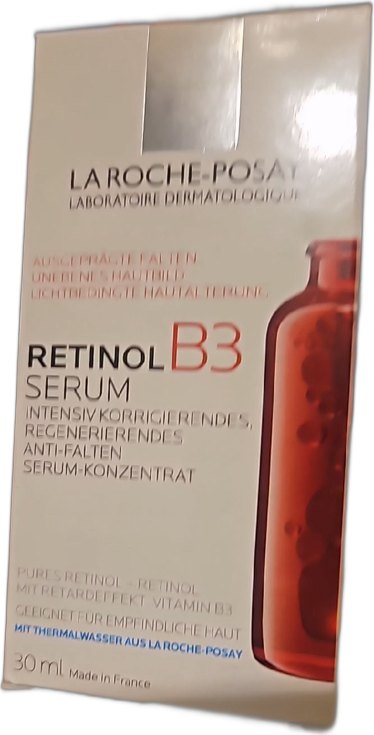
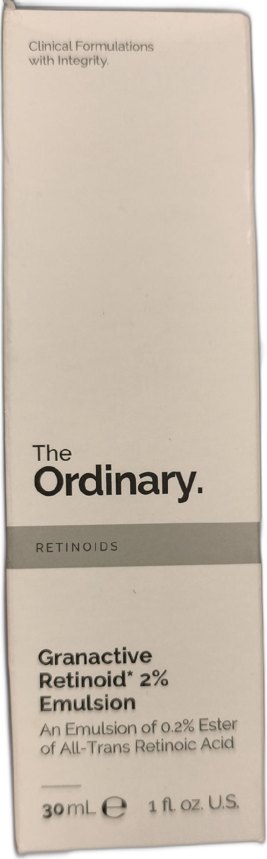
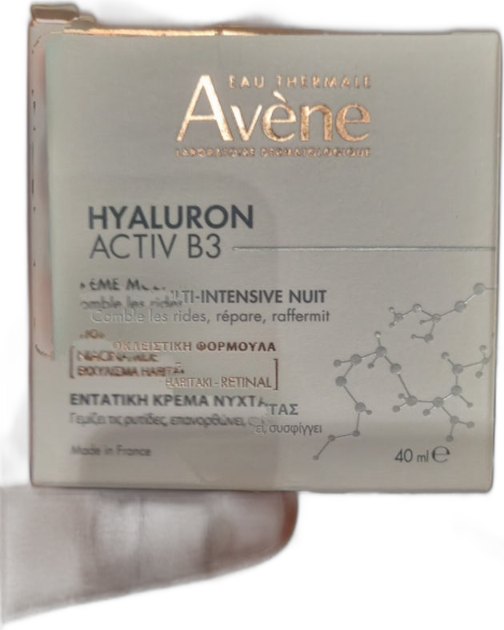
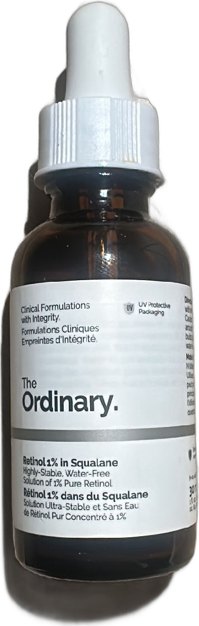
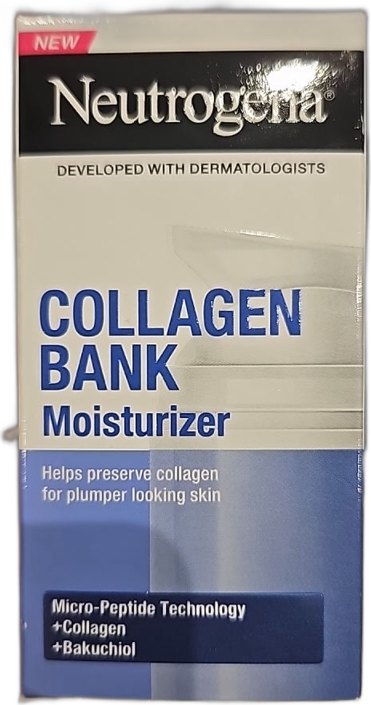
The Ordinary's Retinol 1% is a strong product and not a good first retinol, even though its price makes it a common one. The Neutrogena moisturiser uses bakuchiol, not a retinoid.
How to start
- Weeks 1 and 2: twice a week, at night. Use a pea-sized amount for your whole face, on dry skin after cleansing, then moisturiser.
- Weeks 3 and 4: every other night, if your skin is coping.
- After that: every night if you like, but every other night still works and plenty of people stay there.
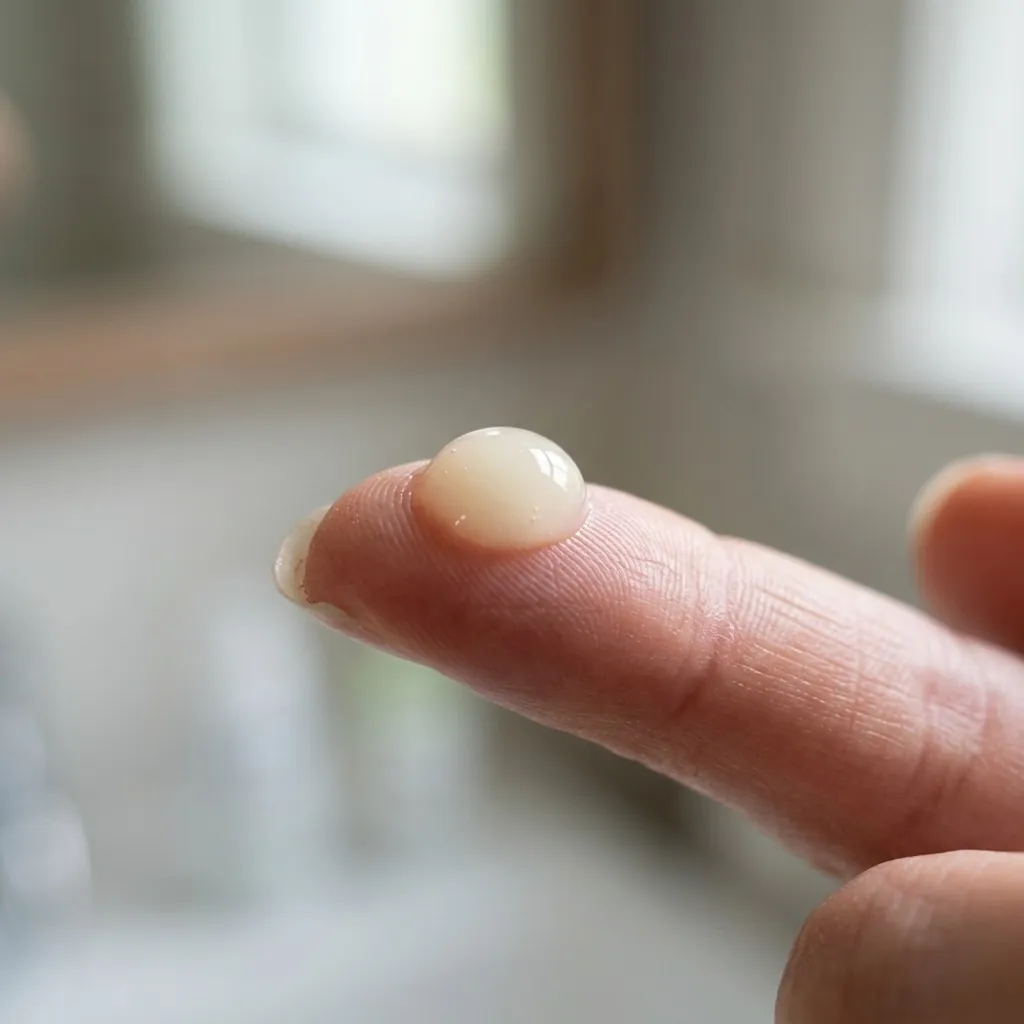
Keep it away from your eyelids and the corners of your nose and mouth, where skin is thinner and irritation builds up. If your skin is dry or easily irritated, put moisturiser on first, then the retinoid, then more moisturiser. That dilutes it a little and cushions the first weeks. If things start to sting or peel, drop back to the previous step for a week.
Use sunscreen every morning. Retinoids make skin more sensitive to the sun, and sun damage is what you're trying to repair.
What the first month feels like
Expect some dryness, flaking, tightness and mild redness during the first two to six weeks. This is often called retinisation, and it usually settles as skin adjusts. If you're prone to acne you may also get a short flare (purging), which should calm down within about six weeks.
Burning, swelling, an itchy rash or skin that cracks is not normal adjustment. Stop and let your skin recover before trying again with a gentler product, or check with a pharmacist or doctor.
Skin usually looks smoother within a month or two. Fine lines and pigment take three to six months, and the improvement keeps building for a year or more if you keep using it.
What to combine it with
Retinoids sit well with moisturisers, ceramides, niacinamide, hyaluronic acid and peptides. While you're getting used to them, don't use exfoliating acids or vitamin C on the same night. Put the acid and the retinoid on alternate nights, and move vitamin C to the morning. Benzoyl peroxide can break down tretinoin, so use them at different times of day.
Who should skip retinoids
If you're pregnant or trying to conceive, stop topical retinoids. Retinoid tablets are known to cause birth defects. Very little of a cream gets absorbed, but doctors advise avoiding them anyway, and our retinol rating carries a reproductive-risk flag for the same reason. If you're breastfeeding, ask your doctor. Azelaic acid is a common substitute.
People with rosacea or eczema often find retinoids too irritating. If that's you, see our guide to sensitive skin, and consider bakuchiol or azelaic acid instead.
What else helps with ageing
Sunscreen does more than any serum. In an Australian trial published in 2013, adults asked to use sunscreen every day showed noticeably less skin ageing after four and a half years than those who used it when they felt like it.
Moisturiser makes fine lines look softer straight away, though the effect wears off within hours. Loss of firmness and volume comes mainly from changes in fat and bone under the skin, and no cream can reverse that. Products that promise to "lift" are mostly selling the immediate tightening feel of film-forming ingredients.
This article is general information, not medical advice. Ask a pharmacist or doctor before using retinoids if you have a skin condition or are pregnant.