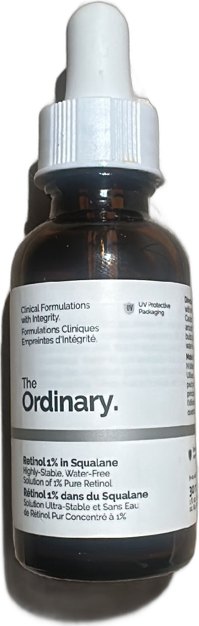
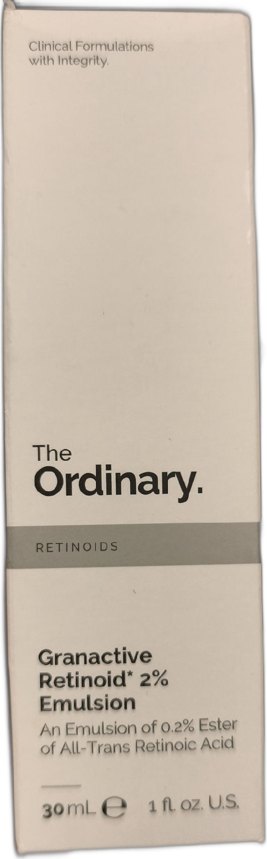
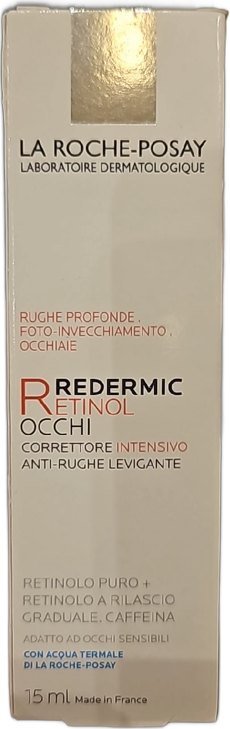
Retinol is a form of Vitamin A that is widely used in skincare for its ability to improve various skin concerns. It works by encouraging skin cell turnover and stimulating collagen production. This can lead to smoother skin, reduced appearance of wrinkles, and improved skin tone. It is a potent ingredient that requires careful introduction into a skincare routine.
RetinoidVitaminVeganEvidence: High
BenefitStrong 4 / 4
Anti aging
Texture
Acne
Pigmentation
RiskHigh 2.5 / 4
Photosensitivity
Irritation
Barrier disruption
Reproductive
Rated by SpottyLabs' ingredient methodology, independent of brands.
What it helps with
Reduces fine lines and wrinkles
Improves skin texture and tone
Minimizes hyperpigmentation
Helps with acne and breakouts
Things to watch
Can cause initial irritation, redness, and peeling
Increases sun sensitivity, requiring daily SPF
Not recommended for use during pregnancy or breastfeeding
Pairs well with
Niacinamide— Niacinamide can help mitigate some of the irritation associated with retinol use and support the skin barrier.
Ascorbic Acid— When used at different times of day (e.g., Vitamin C in the morning, Retinol at night), they can provide comprehensive antioxidant and anti-aging benefits.
Be careful combining with
Aha— Combining retinol with AHAs can increase the risk of irritation and over-exfoliation, especially for sensitive skin.
Bha— Using retinol with BHAs can lead to excessive dryness and irritation, particularly when starting out.
Spot questionable ingredients in seconds
SpottyLabs scans any skincare product and rates every ingredient for benefit, risk and safety. Free and independent — no brand is paying us.
Begin by applying a low concentration of retinol 1-2 times per week, gradually increasing frequency as your skin tolerates it. Always apply to dry skin after cleansing and follow with a moisturizer.
Can I use retinol if I have sensitive skin?
Individuals with sensitive skin should start with the lowest possible concentration of retinol and use it sparingly. Patch testing is highly recommended, and consulting a dermatologist can provide personalized advice.