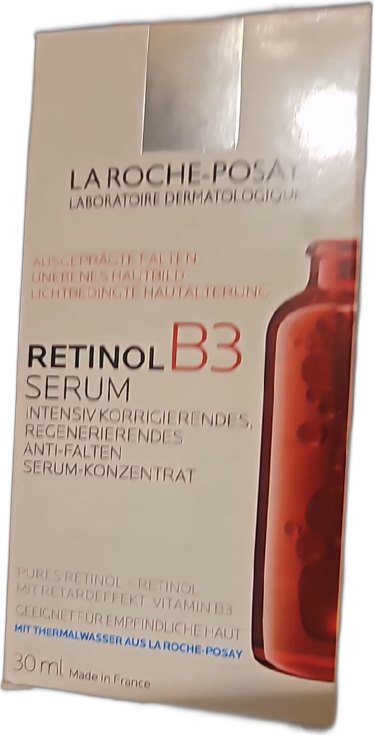
Retinyl palmitate is an ester of retinol (Vitamin A) and palmitic acid. It is a milder retinoid that needs to be converted by the skin into retinol and then to retinoic acid to be effective. It helps improve skin texture, reduce the appearance of fine lines, and support overall skin health with less irritation than stronger retinoids.
RetinoidRetinoid (vitamin A derivative)Evidence: Medium
BenefitGood 2.5 / 4
Anti aging
Texture
Pigmentation
Acne
Barrier support
Oil control
RiskModerate 1.5 / 4
Reproductive
Photosensitivity
Irritation
Systemic exposure
Barrier disruption
Eye irritation
Rated by SpottyLabs' ingredient methodology, independent of brands.
What it helps with
improves skin texture
reduces fine lines
supports skin health
milder retinoid option
Things to watch
potential for sun sensitivity
should not be used during pregnancy/breastfeeding
requires consistent use for results
Pairs well with
Vitamin C— Vitamin C can enhance the antioxidant benefits and collagen-stimulating effects when used alongside retinoids.
Be careful combining with
Aha— Combining with AHAs can increase irritation and sensitivity, especially for new users or sensitive skin.
Salicylic Acid— Combining with BHAs can increase irritation and sensitivity, especially for new users or sensitive skin.
Spot questionable ingredients in seconds
SpottyLabs scans any skincare product and rates every ingredient for benefit, risk and safety. Free and independent — no brand is paying us.
Retinyl palmitate is a precursor to retinol and needs to be converted in the skin, making it less potent and slower-acting than retinol, but also generally less irritating.
Can I use retinyl palmitate every day?
Due to its milder nature, retinyl palmitate can often be used daily, especially after an initial period of gradual introduction to assess skin tolerance.