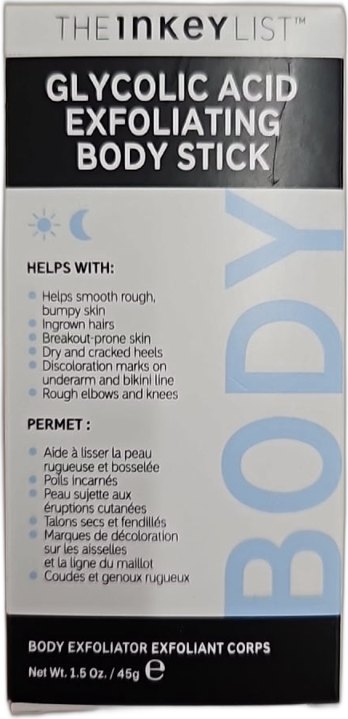
Glycolic Acid is an alpha hydroxy acid (AHA) derived from sugar cane. It is a popular chemical exfoliant known for its small molecular size, which allows it to penetrate the skin effectively. It works by dissolving the bonds between dead skin cells, promoting their shedding and revealing brighter, smoother skin underneath. Glycolic acid can improve skin texture, tone, and reduce the appearance of fine lines and hyperpigmentation.
AhaExfoliantEvidence: High
BenefitStrong 3.7 / 4
Texture
Anti aging
Pigmentation
Acne
RiskHigh 2.5 / 4
Photosensitivity
Irritation
Barrier disruption
Sensitization
Rated by SpottyLabs' ingredient methodology, independent of brands.
What it helps with
exfoliates dead skin cells
improves skin texture and tone
reduces fine lines and wrinkles
fades hyperpigmentation
boosts collagen production
Things to watch
can cause irritation and redness
increases sun sensitivity
potential for dryness and peeling
Pairs well with
Niacinamide— Niacinamide can help soothe skin and reduce potential irritation from glycolic acid, while also supporting the skin barrier.
Hyaluronic Acid— Hyaluronic acid provides hydration, which can counteract the potential drying effects of glycolic acid and support skin barrier function.
Be careful combining with
Retinoid— Combining glycolic acid with retinoids can significantly increase irritation, redness, and sensitivity; use with extreme caution or alternate application.
Vitamin C— Using glycolic acid and L-ascorbic acid (a form of vitamin C) together can reduce the efficacy of vitamin C and increase irritation due to pH differences; consider using them at different times of day.
Salicylic Acid— Combining glycolic acid with BHAs can lead to over-exfoliation, causing excessive irritation, dryness, and barrier damage.
Spot questionable ingredients in seconds
SpottyLabs scans any skincare product and rates every ingredient for benefit, risk and safety. Free and independent — no brand is paying us.
For some skin types, daily use may be possible, but it's best to start with 2-3 times per week and gradually increase frequency. Always observe your skin's reaction to avoid over-exfoliation.
Is Glycolic Acid safe for sensitive skin?
Glycolic acid can be potent and may be too irritating for very sensitive skin. Lower concentrations or less frequent use might be tolerated, but patch testing is highly recommended.
Do I need to use sunscreen when using Glycolic Acid?
Yes, glycolic acid increases skin's sensitivity to the sun, making daily broad-spectrum sunscreen use essential to prevent sun damage and hyperpigmentation.