Four things that get called sensitive skin
Irritation
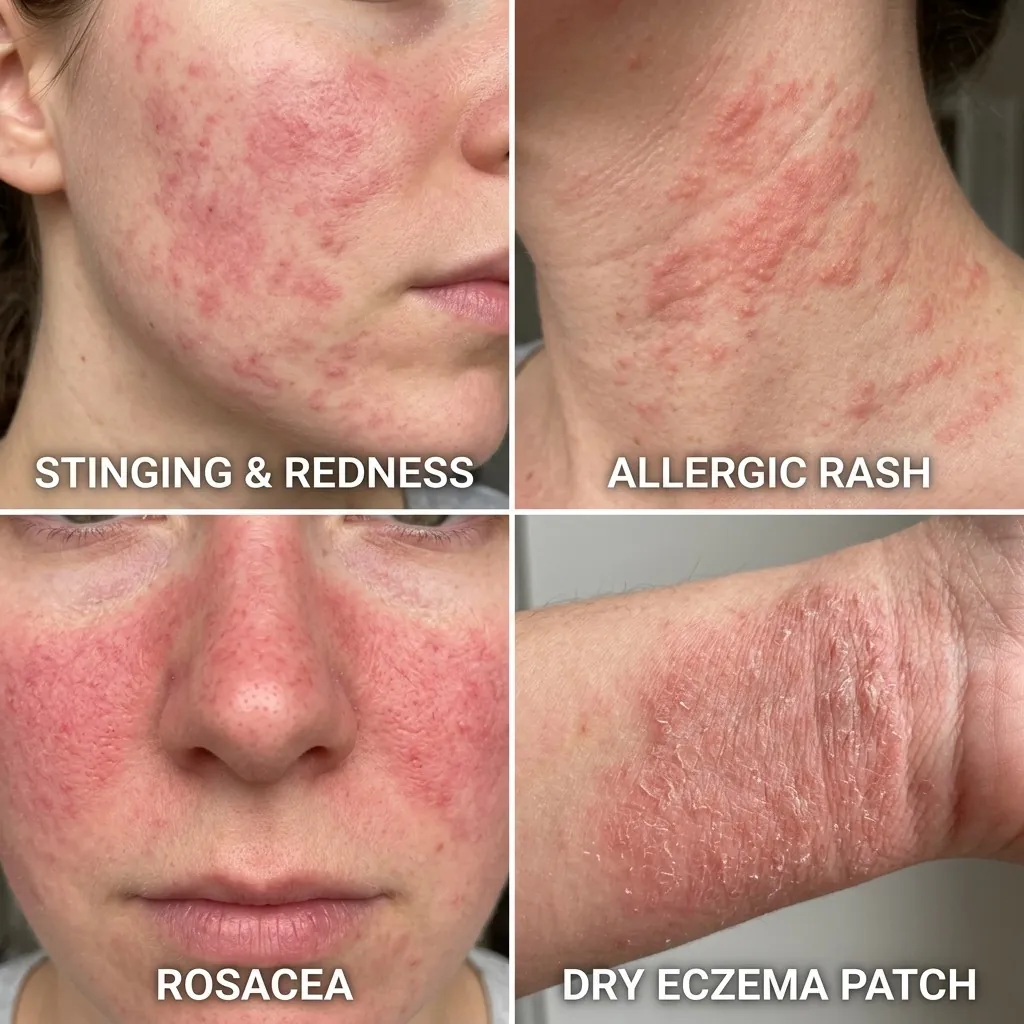
Irritation happens to anyone if a product is harsh enough or used often enough. Acids, retinoids, alcohol-heavy toners, strong cleansers and over-exfoliating are the usual causes. It stings or burns soon after you apply something, and leaves skin tight, red or flaky. The more you use, the worse it gets. Once the skin barrier is damaged, even plain moisturiser can sting.
The fix is to stop all actives and exfoliants for a couple of weeks, use only a gentle cleanser, moisturiser and sunscreen, and then bring things back one at a time.
Allergy
An allergic reaction (allergic contact dermatitis) is your immune system reacting to one specific substance. It usually itches more than it stings, and looks like a red, bumpy or blistered rash, sometimes with swelling. It tends to appear one to three days after contact and can spread beyond where you put the product. Once you're allergic to something, you usually stay allergic, and a tiny amount is enough to set it off. That's why you can react to a product you've used happily for years.
Eyelids react easily and often to things carried there by the hands, such as nail polish, hand cream or hair products. A dermatologist can run patch tests to find out exactly what you're allergic to.
Rosacea
Rosacea causes persistent redness across the cheeks, nose, chin and forehead, flushing that comes and goes, visible small blood vessels and, in some people, red bumps and pus spots. Unlike acne, it doesn't cause blackheads. It usually starts after 30 and often comes with stinging and burning. Common triggers include sun, heat, hot drinks, alcohol, spicy food, exercise and stress.
Prescription treatments work well. They include azelaic acid, metronidazole and ivermectin creams, gels that reduce redness for a few hours, and lasers for visible vessels. At home, simple fragrance-free products and a mineral sunscreen are usually the best tolerated.
Eczema
Atopic eczema causes dry, rough, itchy patches, often in the elbow and knee creases, on the hands, the neck and around the eyes. It often starts in childhood and runs in families with asthma and hay fever. The skin barrier doesn't hold on to water and lipids properly, so it dries out and lets irritants in.
The base of treatment is moisturising a lot, with thick, fragrance-free creams or ointments applied right after a short, lukewarm shower. Flares need prescription anti-inflammatory creams, and a doctor should look at eczema that keeps coming back.
Ingredients behind most reactions
Fragrance is the most common cause of allergic reactions to cosmetics. "Natural" doesn't help here. Essential oils are mixtures of the same fragrance chemicals, and linalool and limonene become stronger allergens once they react with air.
In the EU, 26 common fragrance allergens, linalool and limonene among them, have to be named on the label above a set level, and a 2023 update extends that list to more than 80. That means you can often spot the specific allergen even when the label just says "parfum".
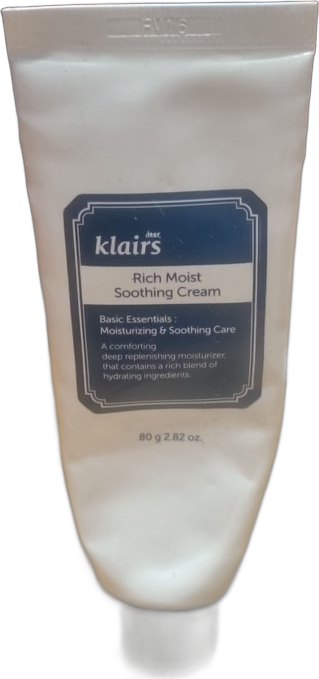
A product's name doesn't tell you much. Klairs' Rich Moist Soothing Cream, for example, lists lavender oil. "Unscented" can also mean a masking fragrance has been added to cover the smell of the other ingredients. "Fragrance-free" is the claim to look for, and the ingredient list is the way to check it.
Ingredients that tend to calm skin
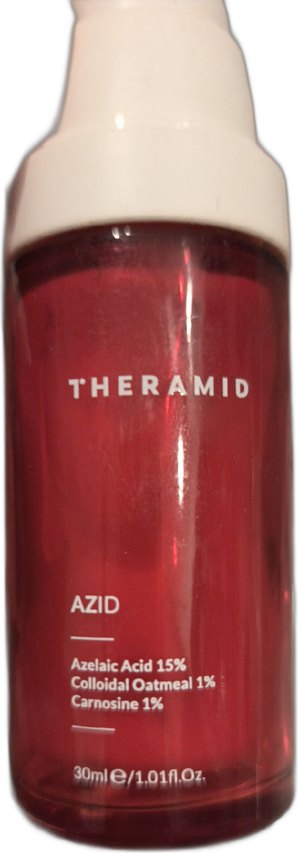
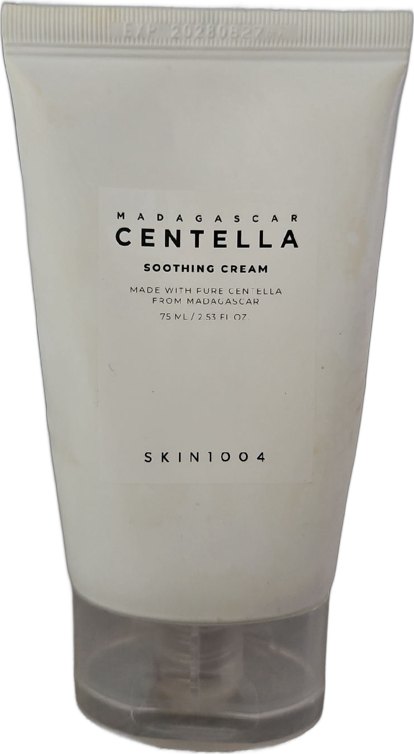
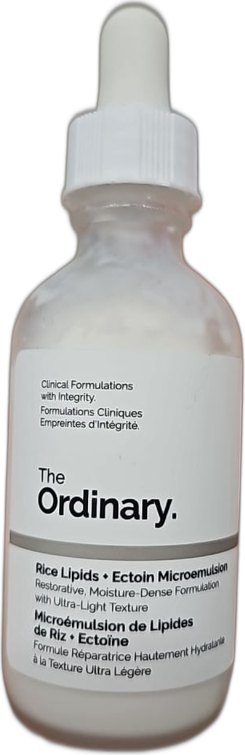
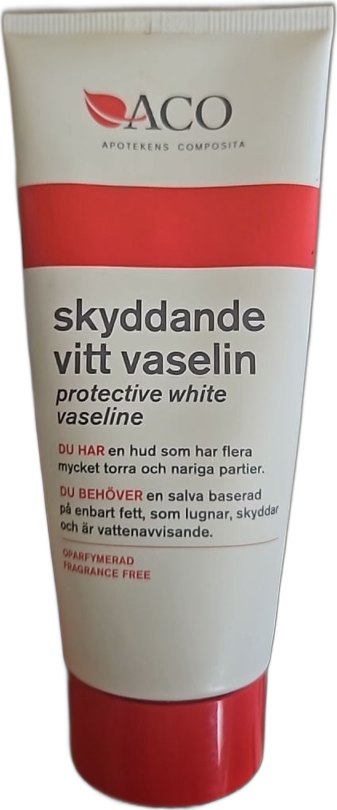
Products in our database built around these ingredients:
How to patch test
Dabbing a product on your wrist once doesn't tell you much. Allergic reactions take days to show, and some only appear after repeated use. Dermatologists use a repeat open application test, and you can do the same at home:
- Pick a coin-sized area on the inside of your forearm or the side of your neck.
- Apply the product there twice a day, as you normally would, for 7 to 10 days.
- If there's no redness, itching or bumps, try it on a small area of your face for a few days before using it all over.
Add one new product at a time and wait about two weeks before the next. If you start three things together and react, you won't know which one did it.
A routine for reactive skin
While your skin settles, a gentle cleanser (or just water in the morning), a fragrance-free moisturiser and a mineral sunscreen are enough. Once there's been no reaction for a few weeks, add one active, such as azelaic acid or niacinamide, at a low strength.
When to see a doctor
- Swelling of the lips, eyes or face, or any difficulty breathing. Get urgent help.
- Blistering or a rash that keeps spreading
- Symptoms that haven't settled two weeks after stopping a product
- Redness or flushing that doesn't go away, which may be rosacea
- Eczema that keeps flaring or disturbs your sleep
- Repeated reactions to different products. Patch testing can identify the cause.
This article is general information, not medical advice. A GP or dermatologist can diagnose what's going on with your skin.