How a pimple forms
Each pore is the opening of a hair follicle with an oil gland attached. Normally the dead cells lining the follicle loosen and wash out with the oil. In acne-prone skin they stick together and plug the opening. A closed plug is a whitehead. An open one is a blackhead, and the dark colour comes from oxidised oil and pigment, not dirt.
Once a pore is plugged, Cutibacterium acnes, a bacterium that lives on everyone's skin, feeds on the trapped oil. The immune system reacts, and the plug becomes a red, sore spot. Deeper inflammation gives you nodules and cysts.
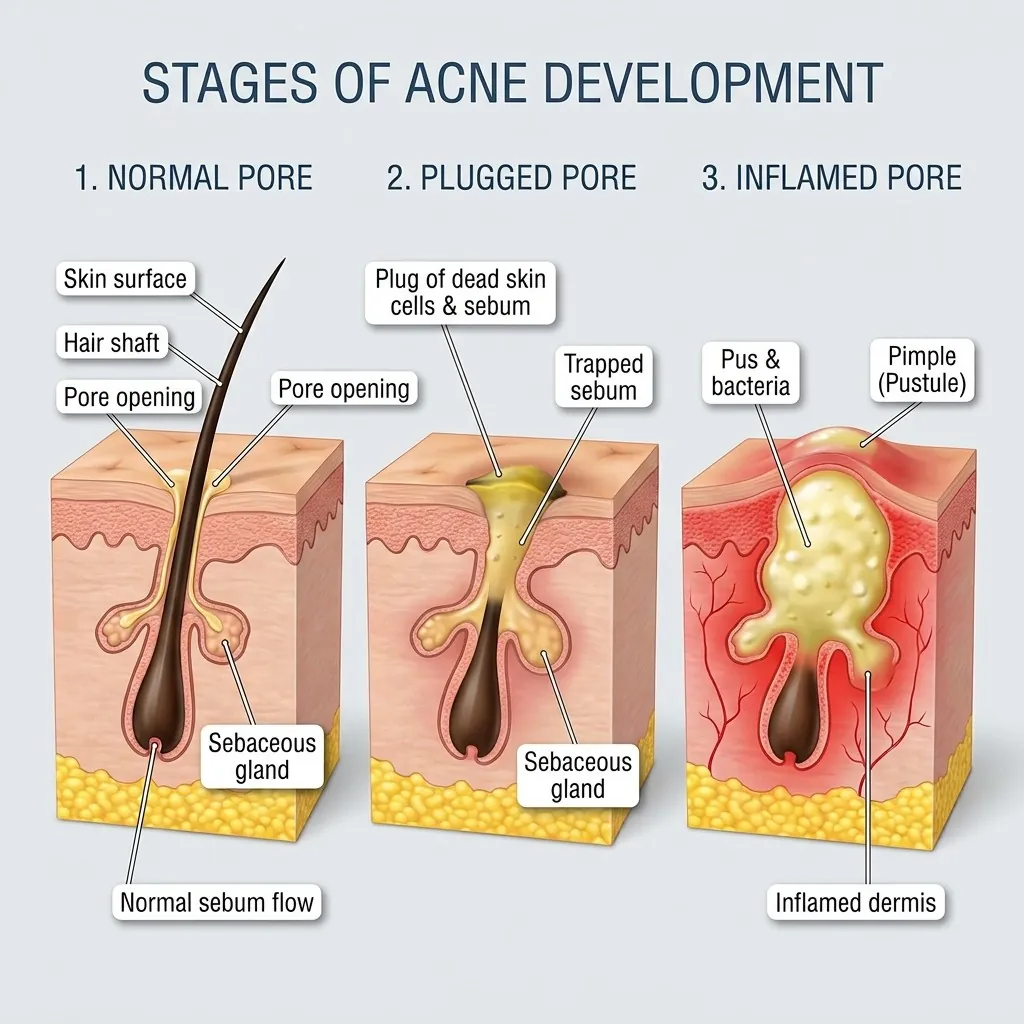
So acne has four moving parts: oil, sticky dead cells, bacteria and inflammation. Treatments work on one or two of them, which is why a cleanser with one active and a leave-on with another often does better than either alone.
The usual triggers
Hormones
Spots along the jaw, chin and lower cheeks that flare in the week before a period are the classic pattern of hormonal acne. Androgens push the oil glands to make more sebum. It's common in women well into their 30s and 40s, and it often appears after starting or stopping hormonal contraception. Topical treatments help but are often not enough on their own. A GP or dermatologist can prescribe options that act on the hormones themselves, such as spironolactone or some combined pills. Acne that arrives with irregular periods or new hair growth on the face or body is worth checking for polycystic ovary syndrome.
Products that clog pores
Rich creams, facial oils, some foundations and sunscreens, and hair products can all add to the plug. Hair oils and styling products often cause small bumps along the hairline and forehead. If breakouts appear in a new area one to three weeks after you start something, that product is the first suspect.
Friction and pressure
Helmet straps, face masks, headbands, a phone pressed to your cheek, or a backpack on your shoulders can all cause acne exactly where they rub. Dermatologists call it acne mechanica. It clears when the rubbing stops.
Diet, stress and medicines
The evidence on food is weaker than most people assume. Diets high in sugar and refined carbs, and milk (skimmed milk in particular), have been linked to acne in some studies, but the effect is modest and varies from person to person. Stress can make existing acne worse. Steroids and a few other medicines can cause breakouts too, so mention acne to whoever prescribed them.
Is this ingredient pore-clogging?
The "comedogenic" ratings you see online, usually on a 0 to 5 scale, mostly come from tests on rabbit ears in the 1970s and 80s. Researchers applied pure ingredients, often at high concentrations, to rabbit skin, which reacts far more readily than a human face. The results are a rough guide at best. An oil that scores 4 on its own can behave quite differently at 2% in a well-made lotion.
The lists are most useful for ingredients near the top of a leave-on product's label, where the concentration is high. A few come up again and again:
On SpottyLabs every ingredient that can make acne worse carries an "acne aggravation" score, separate from its benefits. Even so, the most reliable test is your own skin: use a new product alone for two to three weeks before adding anything else.
Purging or breakout?
Purging is a temporary flare that happens when you start an ingredient that speeds up how fast skin cells turn over. Retinoids, glycolic and other AHAs, and salicylic acid can all do it. They push plugs that were already forming under the surface to come up sooner, so you see weeks of future spots in a few days. It's unpleasant but it passes.
| Purging | Breakout from a product | |
|---|---|---|
| Where | Where you usually get spots | Often a new area |
| Caused by | Retinoids, AHAs, BHAs | Anything, including moisturiser, sunscreen or makeup |
| Starts | In the first one or two weeks | Any time |
| Lasts | Settles within 4 to 6 weeks, sometimes up to 8 with prescription retinoids | Continues as long as you use the product |
A moisturiser or a foundation can't make you purge, because it doesn't change cell turnover. If one of those is followed by spots, it's a breakout. And if the bumps itch, burn or look like a rash, it's probably a reaction rather than acne (see our guide to sensitive skin and reactions).
Fungal acne isn't acne
"Fungal acne" is the popular name for Malassezia folliculitis, an overgrowth of a yeast that lives on normal skin. It gets into hair follicles and causes bumps that look like acne but don't respond to acne treatment. Clues that you might have it:
- Lots of small bumps that are all roughly the same size, with few blackheads
- They itch
- They sit on the forehead, hairline, chest, upper back or shoulders
- They get worse with heat, sweat and tight clothes, or after a course of antibiotics
- Your usual acne products haven't helped, or made it worse
Malassezia feeds on certain oils, especially fatty acids and esters of a particular chain length, and some polysorbates. That's the basis of the "fungal acne safe" ingredient lists online. Most of that comes from lab studies, so treat them as a guide rather than a rule.
The simplest treatment is an anti-dandruff shampoo with ketoconazole, selenium sulfide or zinc pyrithione, used as a wash on the affected skin. Lather it on, leave it for a few minutes, then rinse, a few times a week. If it hasn't improved in a month, a doctor can confirm the diagnosis and prescribe something stronger.
What treats acne
These are the best-supported over-the-counter options. Most people do well with one or two of them, not five.
Adapalene, a retinoid, is also very effective. It's sold over the counter in the US and needs a prescription in many other countries. Retinoids are covered in more detail in retinol for beginners.
Some products in our database built around these ingredients, with their SpottyLabs scores:
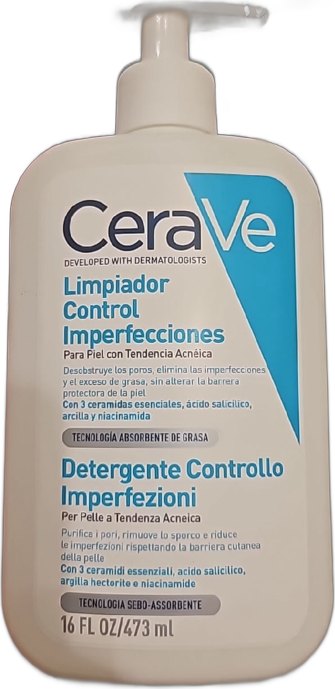
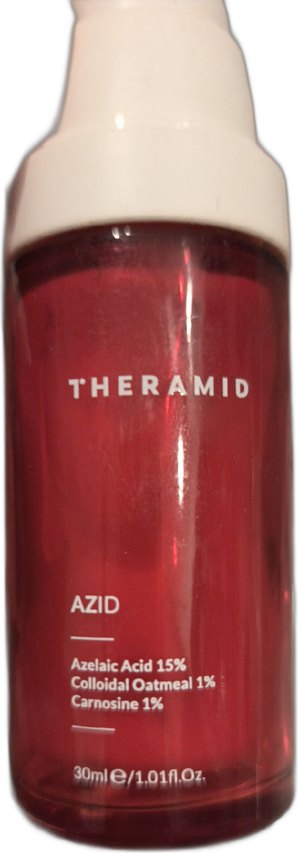

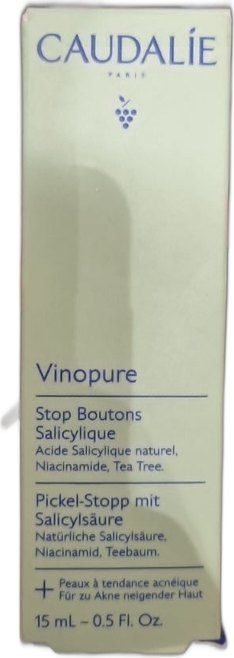
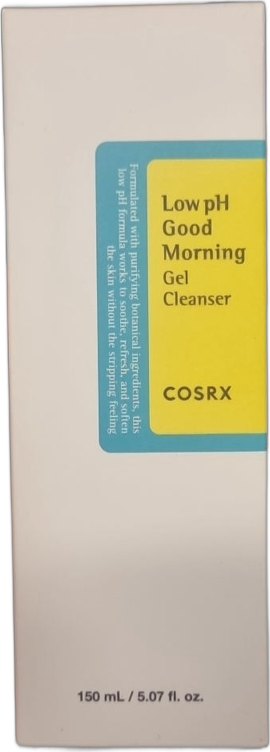
A workable routine is a gentle cleanser, one treatment, a moisturiser that doesn't clog, and sunscreen in the morning. Give any treatment 8 to 12 weeks before you judge it. Acne treatments are slow, and switching every fortnight is one of the most common reasons nothing seems to work.
Marks and scars
What's left after a spot heals depends on your skin and how inflamed the spot was.
- Brown or dark marks are post-inflammatory hyperpigmentation. They're more common and last longer in medium and dark skin. They fade on their own over months, faster with sunscreen and a pigment-fading ingredient. Our guide to fading dark spots covers the options.
- Red or purple marks are post-inflammatory erythema, from small blood vessels, and are more common in lighter skin. They also fade slowly. Sunscreen helps. If they last more than a year, a vascular laser can treat them.
- Pitted scars (ice pick, boxcar and rolling scars) are places where tissue was lost. No cream can fill them in. Microneedling, lasers and subcision done by a dermatologist can improve them.
The best way to avoid scars is to treat inflamed acne early and not to squeeze deep spots.
When to see a doctor
- Painful lumps or cysts under the skin
- Any scarring, even mild
- No improvement after three months of consistent over-the-counter treatment
- Acne that started suddenly in adulthood alongside irregular periods or extra hair growth
- Acne that's affecting your mood or confidence
Prescription options include stronger retinoids, topical and oral antibiotics, hormonal treatments and isotretinoin, which can clear severe acne for good in many people.
This article is general information, not medical advice. If you're unsure what you have, a GP or dermatologist can tell you.