
Which kind do you have?
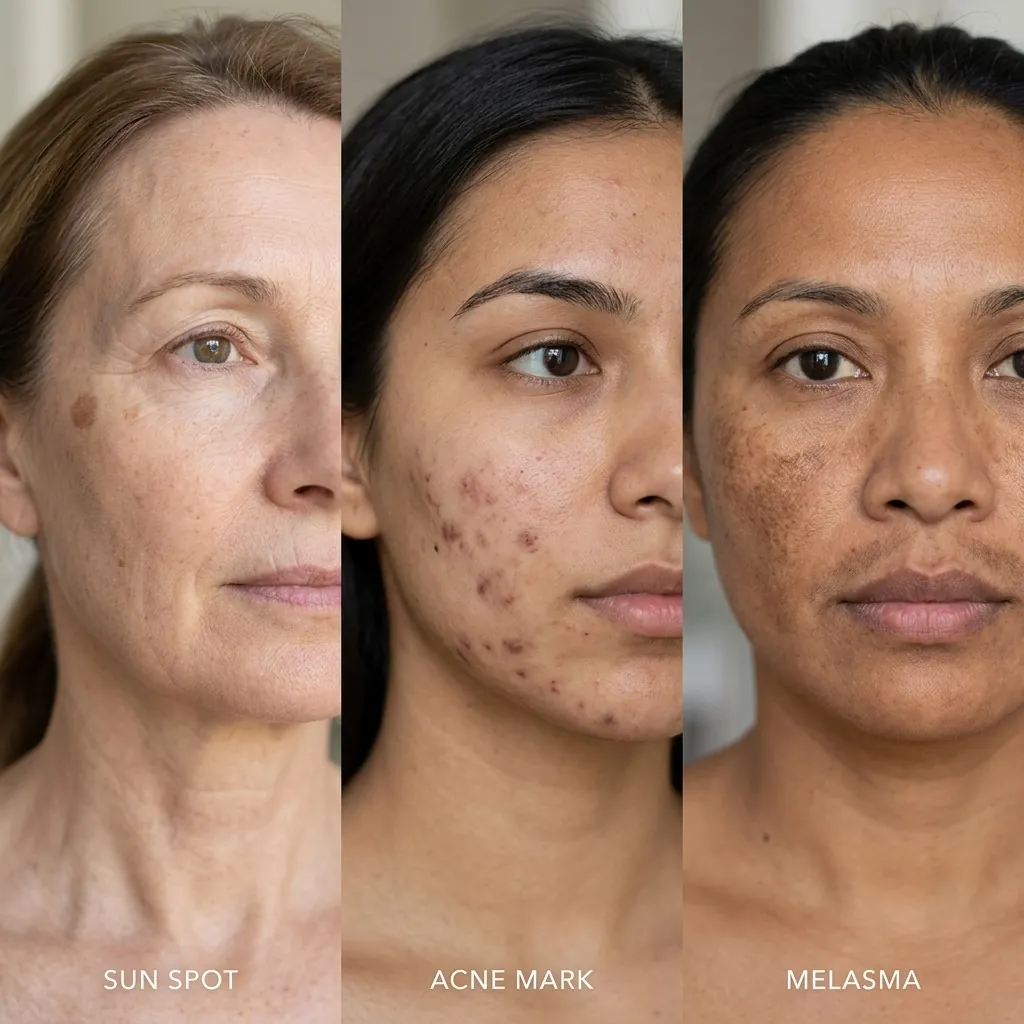
Sun spots
Flat brown spots with fairly sharp edges on the face, backs of the hands, shoulders and chest. They come from years of UV exposure and usually appear after 30 or 40. They're also called age spots, liver spots or solar lentigines. They don't fade on their own, but they respond to treatment, especially in-clinic options like lasers and cryotherapy.
Marks after acne or injury
Post-inflammatory hyperpigmentation is the flat brown or grey mark left where a pimple, eczema patch, burn or scratch was. It's more common and lasts longer in medium and dark skin. It usually fades by itself over several months to a year, provided whatever caused it has stopped. Picking spots makes it worse.
Melasma
Larger patches with blurry edges, usually on both sides of the face in a similar pattern: cheeks, forehead, upper lip, bridge of the nose. It's much more common in women and in people with medium to darker skin. Hormones play a big part, which is why it often starts during pregnancy or on the pill. UV, visible light and heat all darken it. Melasma can be controlled but it tends to come back, so think of it as ongoing management rather than a one-off fix.
Any spot that is new, growing, changing shape or colour, bleeding or itching should be checked by a doctor before you try to fade it. Some skin cancers start out looking like an ordinary brown spot.
Sunscreen comes first
Every pigment treatment works slowly, and one unprotected afternoon can undo weeks of progress. Use a broad-spectrum SPF 30 or higher every morning, including cloudy days and days spent mostly near a window, and reapply when you're outdoors.
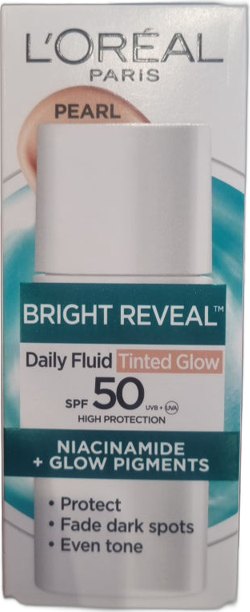
For melasma, UV filters alone aren't enough. Visible light also darkens melasma, especially in deeper skin tones, and standard filters let most of it through. Iron oxides, the pigments that give tinted sunscreens their colour, block part of it. In a 2014 trial in people with melasma, a tinted sunscreen with iron oxides did better at preventing relapse than an untinted one with the same UV protection.
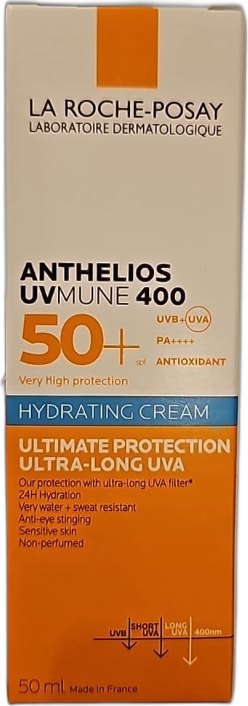
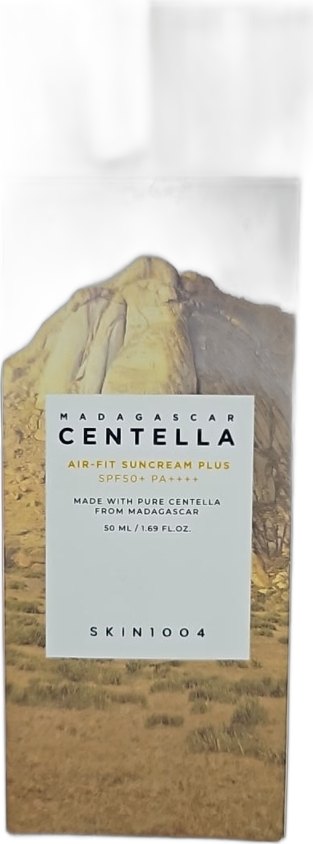
Sunscreens in our database that list iron oxides, plus a couple of mineral options:

Ingredients that fade pigment
They work in a few different ways. Some slow down tyrosinase, the enzyme that makes melanin. Some stop the pigment from being passed up into the surface skin cells. Exfoliants shed pigmented cells faster. Combining two that work differently tends to beat a higher dose of one.
Retinoids also fade pigment and smooth texture at the same time. They're covered in retinol for beginners.

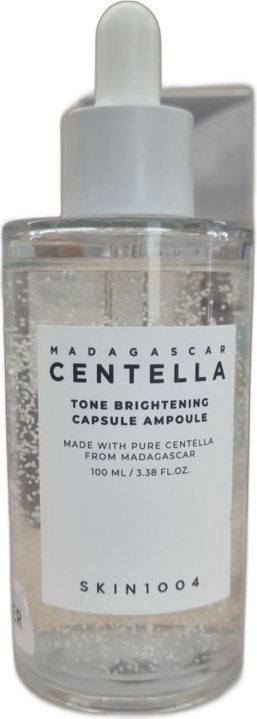

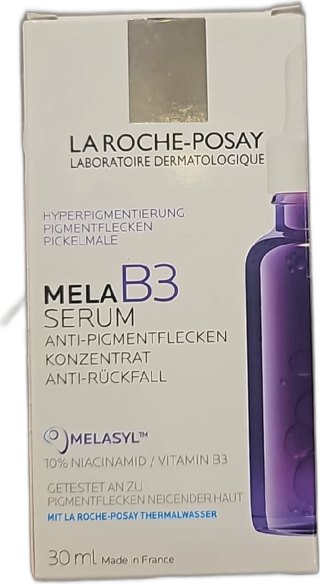
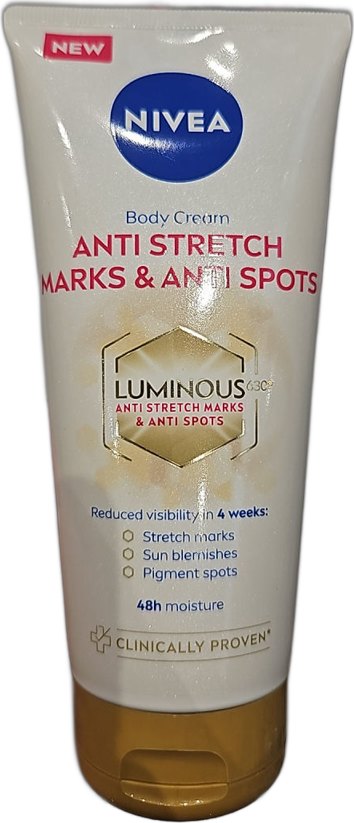
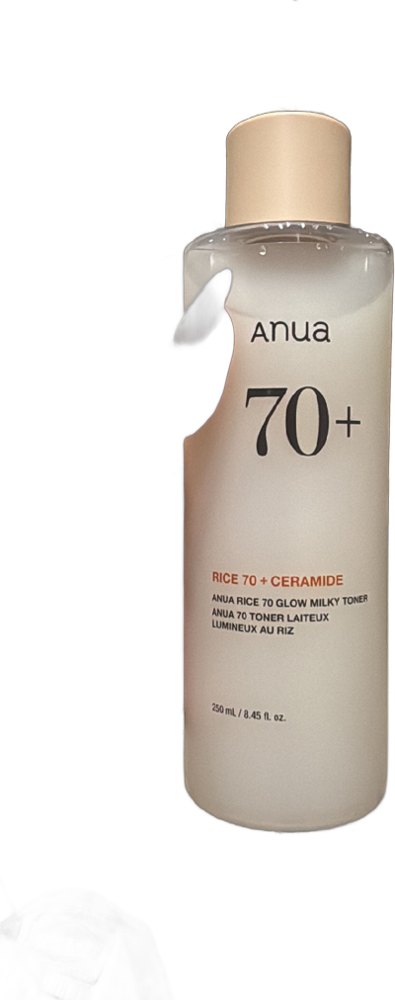
What about hydroquinone?
Hydroquinone is banned from cosmetics in the EU and has not been sold over the counter in the US since 2020. Doctors still prescribe it, usually for a few months at a time. Used for long periods it can rarely cause ochronosis, a blue-black darkening of the skin that is hard to reverse. Hydroquinone creams bought online or abroad without a prescription are sometimes much stronger than labelled, or contain mercury or steroids. Avoid them.
Treating melasma
Melasma usually needs a combination. A common plan is daily tinted sunscreen, plus one or two of azelaic acid, tranexamic acid, niacinamide and a retinoid. If that isn't enough, a dermatologist may prescribe a triple-combination cream (hydroquinone, tretinoin and a mild steroid) for a short course, or tranexamic acid tablets for people without a raised risk of blood clots.
Be careful with aggressive peels and lasers. Anything that inflames the skin can make melasma darker, particularly in deeper skin tones, so choose a clinician who treats melasma often. Many people also find heat from saunas, hot yoga or cooking over a stove makes their patches darker.
Once it has faded, keep going with sunscreen and a gentle fading ingredient. Stopping completely is the most common reason it comes back.
How long it takes
The outer layer of skin renews roughly every four to six weeks, so expect to wait 8 to 12 weeks before you see real change from a topical treatment. Pigment that sits deeper in the skin takes longer. Take a photo in the same spot and the same light every four weeks. Day-to-day changes are too small to see in the mirror.
Common ways to make it worse
- Picking or squeezing spots, which leaves new marks
- Scrubs, strong acids and peels used too often. Irritated skin makes more pigment.
- Skipping sunscreen on days you don't plan to be outside
- Perfume on the neck before going in the sun. Some fragrance oils, bergamot in particular, react with sunlight and can leave brown streaks.
- Lemon juice, baking soda and other DIY remedies, which mostly cause irritation
This article is general information, not medical advice. If a spot is changing or you're not sure what it is, see a GP or dermatologist.