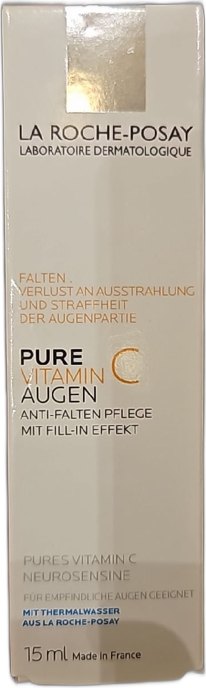
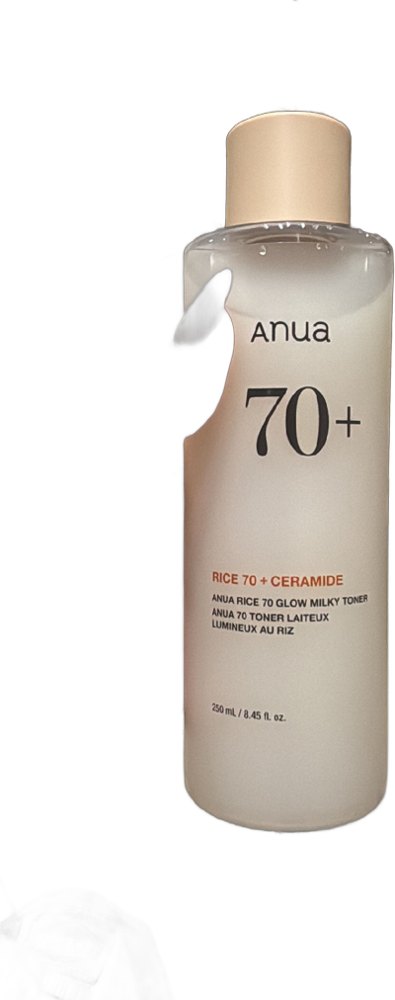
Ascorbic Acid is a potent antioxidant and the purest form of Vitamin C. It helps protect skin from environmental damage, brightens skin tone, and supports collagen production. Its effectiveness can be influenced by formulation stability and pH.
Vitamin cVitaminVeganEvidence: High
BenefitStrong 3.9 / 4
Pigmentation
Texture
Uv protection
Soothing
RiskLow 1 / 4
Irritation
Sensitization
Rated by SpottyLabs' ingredient methodology, independent of brands.
What it helps with
Brightens skin
Antioxidant protection
Boosts collagen production
Evens skin tone
Things to watch
May cause mild irritation or tingling
Can be unstable and oxidize quickly
Pairs well with
Vitamin E— Vitamin E and ferulic acid enhance the stability and antioxidant efficacy of ascorbic acid.
Ferulic Acid— Vitamin E and ferulic acid enhance the stability and antioxidant efficacy of ascorbic acid.
Be careful combining with
Retinoid— While not strictly incompatible, using them at different times of day (Vitamin C in the morning, retinoid at night) can minimize potential irritation and maximize individual benefits.
Aha— Combining high concentrations of ascorbic acid with AHAs can increase the risk of irritation due to low pH levels.
Spot questionable ingredients in seconds
SpottyLabs scans any skincare product and rates every ingredient for benefit, risk and safety. Free and independent — no brand is paying us.
What is the best way to store Ascorbic Acid products?
Ascorbic Acid is prone to oxidation when exposed to light, air, and heat. Store products in opaque, airtight containers in a cool, dark place to maintain their potency.
Can Ascorbic Acid be used by sensitive skin types?
While generally well-tolerated, some individuals with sensitive skin may experience mild tingling or irritation, especially with higher concentrations. Starting with a lower concentration and patch testing is recommended.