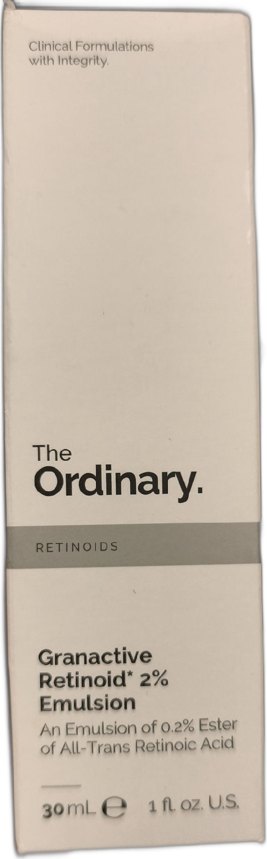
Hydroxypinacolone Retinoate (HPR) is a cosmetic ester of retinoic acid, a type of retinoid. It is designed to offer similar benefits to traditional retinoids, such as improving skin texture and reducing signs of aging, but with a potentially lower risk of irritation. HPR interacts directly with retinoid receptors in the skin, making it a more direct-acting form compared to other retinoid esters that require multiple conversion steps.
RetinoidRetinoid derivativeVeganEvidence: Medium
BenefitGood 3.2 / 4
Anti aging
Texture
Pigmentation
Acne
RiskModerate 1.5 / 4
Photosensitivity
Irritation
Rated by SpottyLabs' ingredient methodology, independent of brands.
What it helps with
Reduces appearance of fine lines
Improves skin texture
Evens skin tone
Less irritating than other retinoids
Things to watch
May cause mild irritation, especially initially
Increases sun sensitivity
Pairs well with
Niacinamide— Niacinamide can help mitigate potential irritation from retinoids and support the skin barrier.
None— Hydrating ingredients like hyaluronic acid or ceramides can help buffer potential dryness and irritation.
Be careful combining with
Aha— Combining with AHAs can increase the risk of irritation and sensitivity due to enhanced exfoliation.
Bha— Combining with BHAs can increase the risk of irritation and sensitivity due to enhanced exfoliation.
Ascorbic Acid— While not strictly contraindicated, some forms of Vitamin C may be less stable or cause irritation when used simultaneously with retinoids; consider separate application times.
Spot questionable ingredients in seconds
SpottyLabs scans any skincare product and rates every ingredient for benefit, risk and safety. Free and independent — no brand is paying us.
Is Hydroxypinacolone Retinoate as effective as retinol?
HPR is considered a potent retinoid with a more direct action on skin receptors than retinol, potentially offering similar benefits with a lower risk of irritation.
Can I use Hydroxypinacolone Retinoate if I have sensitive skin?
HPR is often better tolerated by sensitive skin types compared to other retinoids, but patch testing and gradual introduction are still recommended.