SpottyLabs logoSpottylabs
Home › Ingredients › Methylisothiazolinone

Methylisothiazolinone

Methylisothiazolinone is a preservative commonly found in water-based cosmetics and personal care products. It effectively prevents the growth of bacteria and fungi, thereby extending product shelf life and ensuring consumer safety. However, it is a known sensitizer, especially at higher concentrations.

PreservativeVegan
BenefitNone 0 / 4
RiskSerious 3.5 / 4
Sensitization i4 / 4

Risk of allergic contact dermatitis or immune-based reactions. Fragrance allergens, preservatives, botanicals, and some dyes may score here.

Irritation i3 / 4

Risk of short-term irritation — stinging, burning, dryness, redness, or discomfort. Common for strong actives, acids, retinoids, fragrances, and harsh surfactants.

Rated by SpottyLabs' ingredient methodology, independent of brands.

Things to watch

See how this matches your skin

Find out exactly what you put onto your skin. Scan any product before you buy. Free and independent — no brand is paying us. Available on Android and iOS.
QR code linking to the SpottyLabs app on Google Play
QR code linking to the SpottyLabs app on the App Store

Products with Methylisothiazolinone

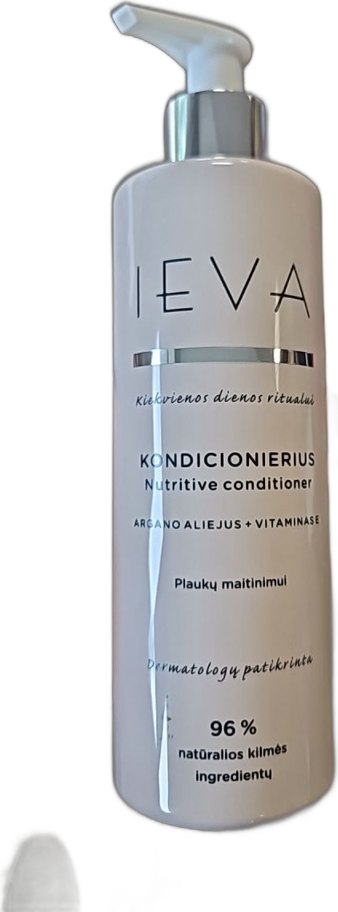
Nutritive Conditioner
Ieva
Nutritive Conditioner
3.2/ 54/4/8
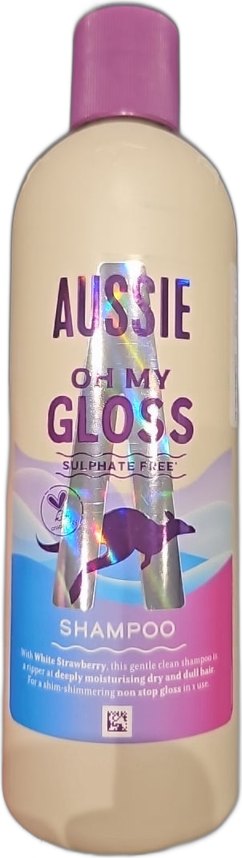
White Strawberry & Mint Clean Shampoo
Herbal Essences
White Strawberry & Mint Clean Shampoo
3.1/ 51/8/11
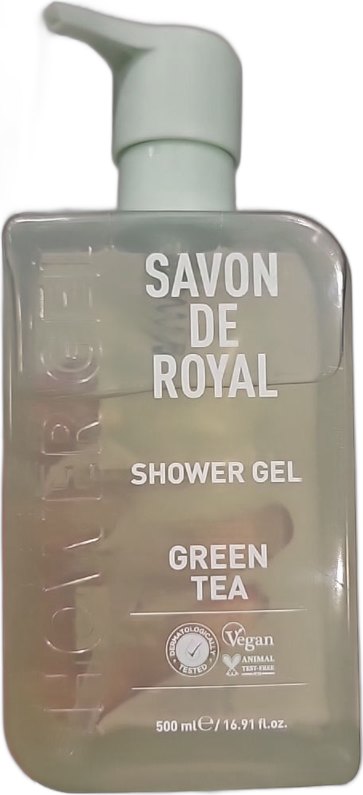
Miracle Shower Gel
Savon De Royal
Miracle Shower Gel
3.1/ 52/5/11
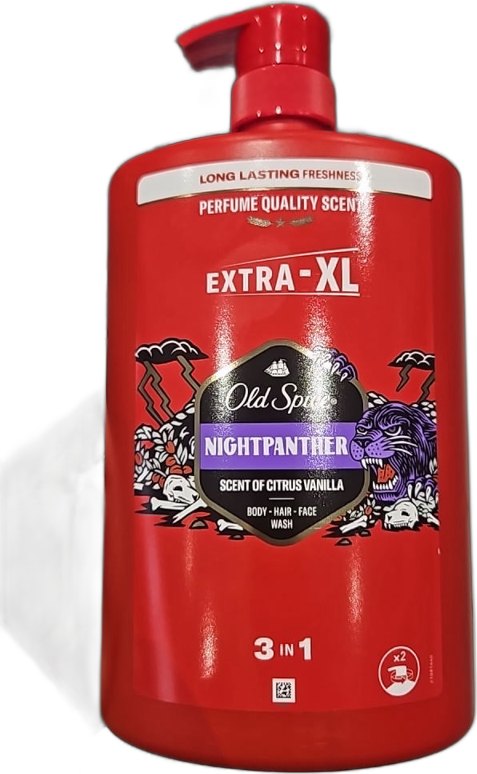
Body Wash for Men, 24/7 Shower Clean
Old Spice
Body Wash for Men, 24/7 Shower Clean
2.1/ 50/8/8

Browse all products →

Frequently asked questions

What is Methylisothiazolinone's role in skincare products?
Methylisothiazolinone functions as a preservative in skincare products, preventing the proliferation of bacteria, yeasts, and molds. This helps to maintain the product's integrity and safety throughout its use.
Why is Methylisothiazolinone a concern for some people?
Methylisothiazolinone is a significant concern for some individuals because it is a potent sensitizer, meaning it can cause allergic contact dermatitis. Regulatory bodies have restricted its use and concentration in cosmetic products due to the high incidence of allergic reactions.