Spotty Labs logoSpotty Labs
HomeIngredients › Oleic Acid

Oleic Acid

Oleic acid is a monounsaturated omega-9 fatty acid found naturally in various plant and animal fats. In skincare, it functions as an emollient, helping to moisturize and soften the skin. It can also enhance the penetration of other ingredients.

NoneFatty acidEvidence: Medium
BenefitModerate 2 / 4
Hydration i2.5 / 4

Whether the ingredient helps increase the skin’s water content — humectants that attract water, ingredients that reduce water loss, or ones that make skin feel less dry.

Texture i2 / 4

Whether it can improve smoothness and surface texture — roughness, flaking, clogged pores, or unevenness. Exfoliating acids, retinoids, and smoothing moisturizers may score here.

RiskLow 1 / 4
Acne aggravation i2 / 4

Whether it may worsen breakouts — clogging pores, feeling heavy on acne-prone skin, or triggering comedones in some users.

Barrier disruption i1 / 4

Whether it can weaken or damage the skin barrier — harsh surfactants, strong exfoliants, high alcohol content, or overuse-prone actives.

Rated by SpottyLabs' ingredient methodology, independent of brands.

What it helps with

Things to watch

See how this matches your skin

Find out exactly what you put onto your skin. Scan any product before you buy. Free and independent — no brand is paying us. Available on both on Android and Apple
QR code linking to the SpottyLabs app on Google Play
QR code linking to the SpottyLabs app on the App Store

Products with Oleic Acid

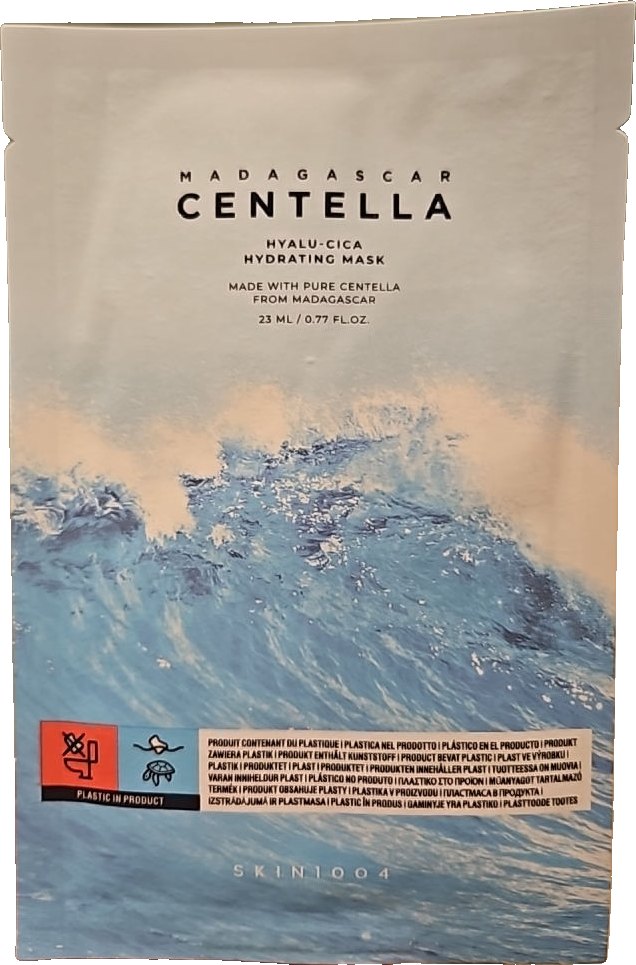
Madagascar Centella Hyalu‑Cica Hydrating Mask
SKIN1004
Madagascar Centella Hyalu‑Cica Hydrating Mask
4.8/ 526/16/2
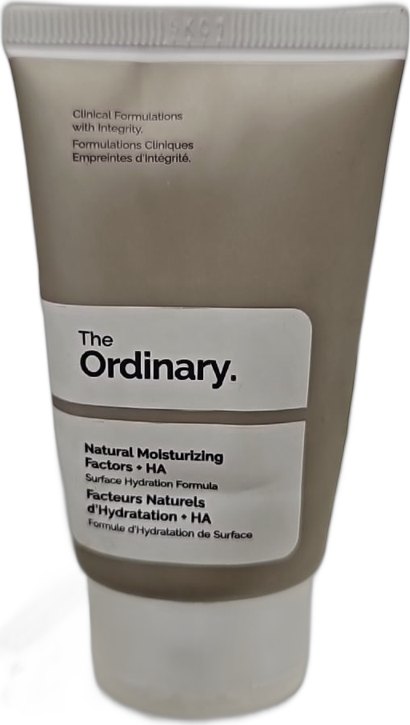
Natural Moisturizing Factors + HA
The Ordinary
Natural Moisturizing Factors + HA
4.6/ 519/21/6
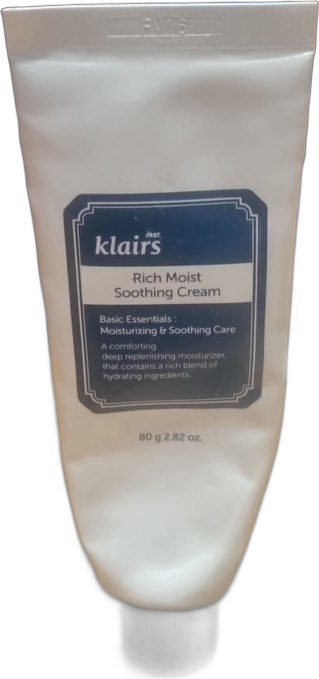
Rich Moist Soothing Cream
Dear, Klairs
Rich Moist Soothing Cream
4.5/ 520/33/11
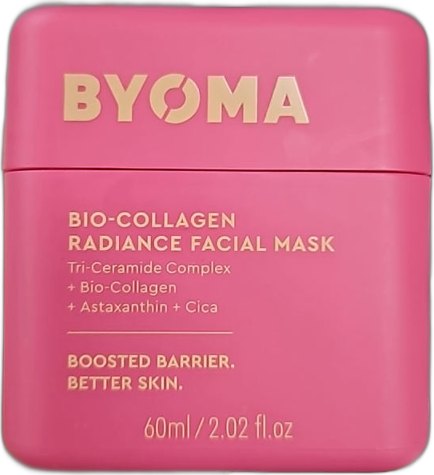
Bio-Collagen Radiance Facial Mask
BYOMA
Bio-Collagen Radiance Facial Mask
4.4/ 59/20/3

Browse all products →

Frequently asked questions

Is oleic acid good for acne-prone skin?
Oleic acid can be comedogenic for some individuals, particularly those with acne-prone or oily skin. It is often found in oils that are higher in oleic acid, which may contribute to breakouts for certain skin types.