Linoleic Acid
Linoleic acid is an essential omega-6 fatty acid that the body cannot produce on its own. In skincare, it plays a crucial role in maintaining the skin's barrier function, helping to keep it hydrated and protected. It is also known for its ability to help improve skin texture and reduce the appearance of blemishes.
NoneFatty acidEvidence: High
BenefitStrong 3.5 / 4
Hydration i3.5 / 4
Whether the ingredient helps increase the skin’s water content — humectants that attract water, ingredients that reduce water loss, or ones that make skin feel less dry.
Texture i3 / 4
Whether it can improve smoothness and surface texture — roughness, flaking, clogged pores, or unevenness. Exfoliating acids, retinoids, and smoothing moisturizers may score here.
Soothing i2 / 4
Whether it can calm the skin — linked to less redness, irritation, discomfort, or visible reactivity.
Uv protection i1 / 4
Whether it provides direct protection against UV radiation.
Rated by SpottyLabs' ingredient methodology, independent of brands.
What it helps with
- Strengthens skin barrier
- Reduces transepidermal water loss
- Improves skin texture
- Helps with acne-prone skin
See how this matches your skin
Find out exactly what you put onto your skin. Scan any product before you buy. Free and independent — no brand is paying us. Available on both on Android and Apple
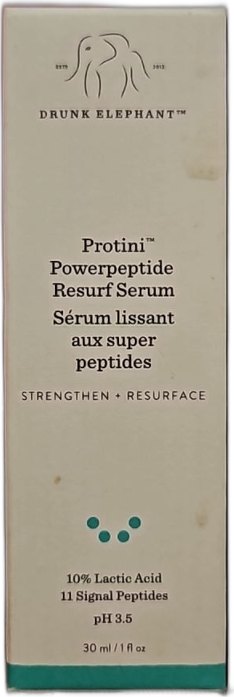
Products with Linoleic Acid
Browse all products →
Frequently asked questions
- What is linoleic acid and why is it important for skin?
- Linoleic acid is an essential fatty acid that is a key component of ceramides, which are vital for a healthy skin barrier. It helps to maintain skin hydration, improve texture, and can be beneficial for acne-prone skin.
- Can linoleic acid help with acne?
- Yes, studies suggest that individuals with acne-prone skin often have lower levels of linoleic acid in their sebum. Topical application can help normalize sebum composition and reduce clogged pores.