Spotty Labs logoSpotty Labs
HomeIngredients › Tocotrienols

Tocotrienols

Tocotrienols are a group of compounds that are part of the Vitamin E family, distinct from tocopherols. They are potent antioxidants with unique chemical structures that may offer enhanced protective benefits. Found in certain plant oils, tocotrienols are being researched for their potential skin health and anti-aging properties.

NoneAntioxidant vitaminVeganEvidence: Medium
BenefitModerate 2 / 4
Anti aging i2 / 4

Whether it can help visible signs of aging — fine lines, wrinkles, loss of firmness, or photoaging.

Uv protection i1.5 / 4

Whether it provides direct protection against UV radiation.

Soothing i1 / 4

Whether it can calm the skin — linked to less redness, irritation, discomfort, or visible reactivity.

Barrier support i1 / 4

Whether it supports the skin barrier — restoring lipids, reducing water loss, aiding barrier repair, or strengthening the skin’s protective function.

RiskLow 0.5 / 4
Sensitization i0.5 / 4

Risk of allergic contact dermatitis or immune-based reactions. Fragrance allergens, preservatives, botanicals, and some dyes may score here.

Rated by SpottyLabs' ingredient methodology, independent of brands.

What it helps with

Things to watch

Pairs well with

See how this matches your skin

Find out exactly what you put onto your skin. Scan any product before you buy. Free and independent — no brand is paying us. Available on both on Android and Apple

QR code linking to the SpottyLabs app on Google Play
QR code linking to the SpottyLabs app on the App Store

Products with Tocotrienols

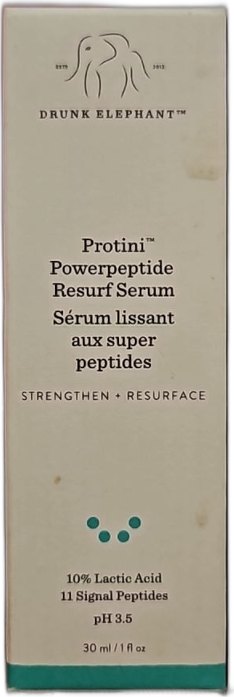
Protini Powerpeptide Resurf Serum
Drunk Elephant
Protini Powerpeptide Resurf Serum
4.7/ 544/27/6

Browse all products →

Frequently asked questions

What are tocotrienols?
Tocotrienols are a lesser-known but powerful form of Vitamin E, found in certain plant oils. They possess strong antioxidant properties that help protect cells from damage.
How do tocotrienols differ from tocopherols?
While both are forms of Vitamin E, tocotrienols have a different chemical structure with an unsaturated tail, which may allow them to penetrate tissues more effectively and offer distinct biological activities, including stronger antioxidant potential.