SpottyLabs logoSpottylabs
Home › Ingredients › Thuja Orientalis Extract

Thuja Orientalis Extract

Also known as: Platycladus Orientalis Extract, Biota Orientalis Extract, Oriental Arborvitae Extract

Thuja orientalis extract is derived from the evergreen tree commonly known as Oriental arborvitae. It contains flavonoids and polyphenolic compounds that provide antioxidant defense and help soothe reactive skin. In hair care, it is traditionally applied to invigorate the scalp and support follicle health.

Botanical extractVegan
BenefitModerate 1.8 / 4
Soothing i1.8 / 4

Whether it can calm the skin — linked to less redness, irritation, discomfort, or visible reactivity.

Anti aging i1.5 / 4

Whether it can help visible signs of aging — fine lines, wrinkles, loss of firmness, or photoaging.

RiskLow 1.2 / 4
Sensitization i1.2 / 4

Risk of allergic contact dermatitis or immune-based reactions. Fragrance allergens, preservatives, botanicals, and some dyes may score here.

Irritation i1 / 4

Risk of short-term irritation — stinging, burning, dryness, redness, or discomfort. Common for strong actives, acids, retinoids, fragrances, and harsh surfactants.

Rated by SpottyLabs' ingredient methodology, independent of brands.

What it helps with

Things to watch

See how this matches your skin

Find out exactly what you put onto your skin. Scan any product before you buy. Free and independent — no brand is paying us. Available on Android and iOS.


QR code linking to the SpottyLabs app on Google Play
QR code linking to the SpottyLabs app on the App Store

Products with Thuja Orientalis Extract

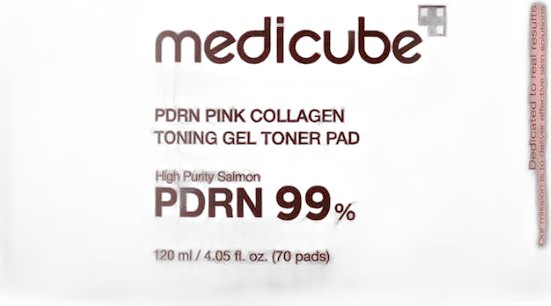
PDRN Pink Collagen Toning Gel Toner Pad
medicube
PDRN Pink Collagen Toning Gel Toner Pad
4/ 531/18/8

Browse all products →

Frequently asked questions

What does Thuja Orientalis Extract do in cosmetics?
It delivers antioxidant protection against environmental stressors and helps calm minor skin and scalp discomfort.
Can Thuja Orientalis Extract help with hair thinning?
Preliminary laboratory and animal studies suggest it may support follicle activity, though robust human clinical trials remain limited.