SpottyLabs logoSpottylabs
Home › Ingredients › Styrax Japonicus Branch/Fruit/Leaf Extract

Styrax Japonicus Branch/Fruit/Leaf Extract

Also known as: Japanese Snowbell Extract

Styrax Japonicus Branch/Fruit/Leaf Extract is a plant extract derived from the Japanese snowbell tree. Rich in naturally occurring saponins, it is frequently used in gentle facial cleansers to help purify skin without over-drying. It also provides mild antioxidant and skin-soothing properties.

Botanical extractVegan
BenefitMinimal 1.3 / 4
Soothing i1.3 / 4

Whether it can calm the skin — linked to less redness, irritation, discomfort, or visible reactivity.

Texture i0.5 / 4

Whether it can improve smoothness and surface texture — roughness, flaking, clogged pores, or unevenness. Exfoliating acids, retinoids, and smoothing moisturizers may score here.

RiskLow 0.8 / 4
Sensitization i0.8 / 4

Risk of allergic contact dermatitis or immune-based reactions. Fragrance allergens, preservatives, botanicals, and some dyes may score here.

Irritation i0.5 / 4

Risk of short-term irritation — stinging, burning, dryness, redness, or discomfort. Common for strong actives, acids, retinoids, fragrances, and harsh surfactants.

Rated by SpottyLabs' ingredient methodology, independent of brands.

What it helps with

Things to watch

See how this matches your skin

Find out exactly what you put onto your skin. Scan any product before you buy. Free and independent — no brand is paying us. Available on Android and iOS.


QR code linking to the SpottyLabs app on Google Play
QR code linking to the SpottyLabs app on the App Store

Products with Styrax Japonicus Branch/Fruit/Leaf Extract

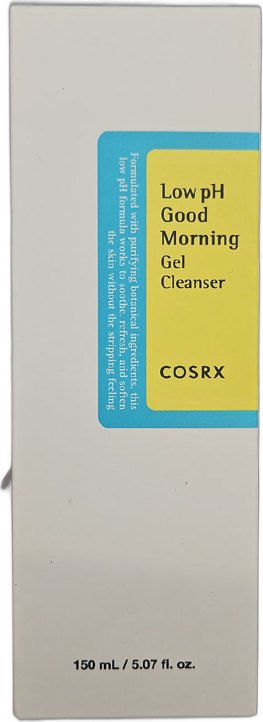
Low pH Good Morning Gel Cleanser
COSRX
Low pH Good Morning Gel Cleanser
3.6/ 511/8/6

Browse all products →

Frequently asked questions

Why is Styrax Japonicus extract used in cleansers?
It contains natural saponins that help lift dirt and oil gently, allowing for a mild cleanse without relying solely on synthetic surfactants.
Is Styrax Japonicus extract safe for sensitive skin?
Yes, it is generally considered mild and is often used in low-pH, sensitive-skin cleansers, although botanical patch testing is always recommended.