SpottyLabs logoSpottylabs
Home › Ingredients › Sodium Polyglutamate

Sodium Polyglutamate

Sodium Polyglutamate is a naturally occurring polymer derived from fermented soybeans. It is a powerful humectant, meaning it attracts and holds moisture in the skin, similar to hyaluronic acid but with potentially greater capacity. This ingredient helps to keep the skin hydrated, plump, and smooth, contributing to a healthy skin barrier.

HumectantVegan
BenefitGood 2.8 / 4
Hydration i3.5 / 4

Whether the ingredient helps increase the skin’s water content — humectants that attract water, ingredients that reduce water loss, or ones that make skin feel less dry.

Texture i1.5 / 4

Whether it can improve smoothness and surface texture — roughness, flaking, clogged pores, or unevenness. Exfoliating acids, retinoids, and smoothing moisturizers may score here.

Soothing i1 / 4

Whether it can calm the skin — linked to less redness, irritation, discomfort, or visible reactivity.

RiskVery low 0 / 4

Rated by SpottyLabs' ingredient methodology, independent of brands.

What it helps with

See how this matches your skin

Find out exactly what you put onto your skin. Scan any product before you buy. Free and independent — no brand is paying us. Available on Android and iOS.
QR code linking to the SpottyLabs app on Google Play
QR code linking to the SpottyLabs app on the App Store

Products with Sodium Polyglutamate

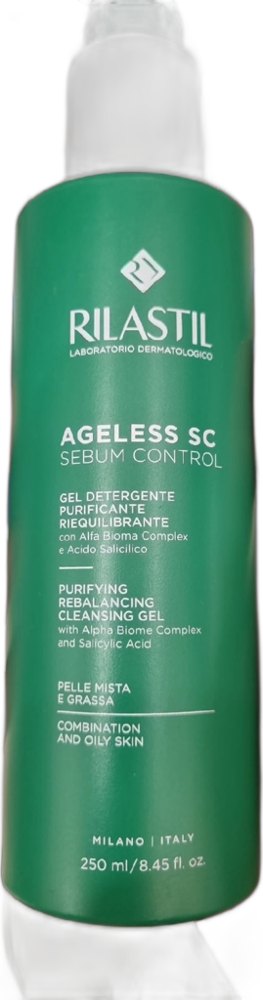
Ageless SC Sebum Control Gel Detergente Purificante Riequilibrante
Rilastil
Ageless SC Sebum Control Gel Detergente Purificante Riequilibrante
4.1/ 515/6/5
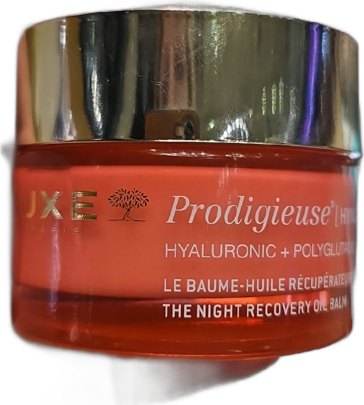
The Night Recovery Oil Balm
NUXE
The Night Recovery Oil Balm
3.5/ 512/8/15

Browse all products →

Frequently asked questions

What is Sodium Polyglutamate?
Sodium Polyglutamate is a water-soluble polymer made from fermented soybeans. It is known for its exceptional ability to attract and retain moisture, making it a potent hydrating ingredient in skincare.
How does Sodium Polyglutamate compare to Hyaluronic Acid?
Both are excellent humectants. Sodium Polyglutamate is often cited as having a higher water-holding capacity than hyaluronic acid, meaning it can potentially provide even more intense and longer-lasting hydration to the skin.