SpottyLabs logoSpottylabs
Home › Ingredients › Sodium Lauryl Sulfoacetate

Sodium Lauryl Sulfoacetate

Also known as: SLSA

Sodium Lauryl Sulfoacetate (SLSA) is a mild, plant-derived surfactant that creates a rich and stable foam. It is often used as an alternative to harsher sulfates, providing effective cleansing without stripping the skin or hair of natural oils. SLSA helps to emulsify oils and dirt, allowing them to be rinsed away easily.

Surfactant, cleansing agent, foaming agentVegan
BenefitMinimal 0.5 / 4
Hydration i0.2 / 4

Whether the ingredient helps increase the skin’s water content — humectants that attract water, ingredients that reduce water loss, or ones that make skin feel less dry.

RiskLow 0.5 / 4
Irritation i0.5 / 4

Risk of short-term irritation — stinging, burning, dryness, redness, or discomfort. Common for strong actives, acids, retinoids, fragrances, and harsh surfactants.

Rated by SpottyLabs' ingredient methodology, independent of brands.

What it helps with

Things to watch

See how this matches your skin

Find out exactly what you put onto your skin. Scan any product before you buy. Free and independent — no brand is paying us. Available on Android and iOS.
QR code linking to the SpottyLabs app on Google Play
QR code linking to the SpottyLabs app on the App Store

Products with Sodium Lauryl Sulfoacetate

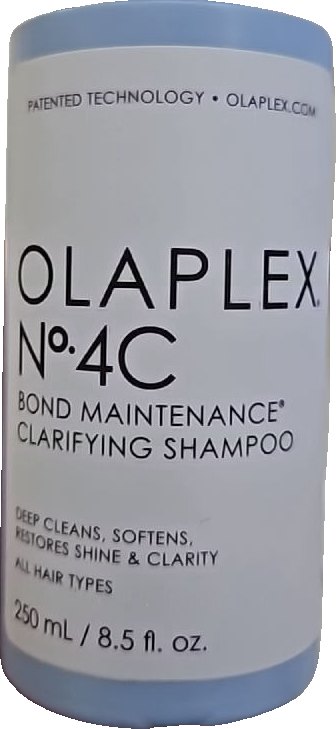
Bond Maintenance Clarifying Shampoo
Olaplex
Bond Maintenance Clarifying Shampoo
4.1/ 516/18/9
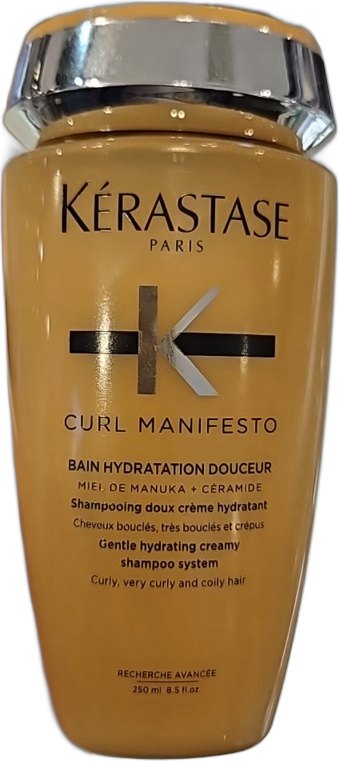
Curl Manifesto Bain Hydratation Douceur
Kérastase
Curl Manifesto Bain Hydratation Douceur
4/ 513/16/11

Browse all products →

Frequently asked questions

Is Sodium Lauryl Sulfoacetate a sulfate?
Despite having 'sulfate' in its name, Sodium Lauryl Sulfoacetate is not a sulfate in the same chemical class as Sodium Lauryl Sulfate (SLS) or Sodium Laureth Sulfate (SLES). It is a much milder surfactant.
Is SLSA good for sensitive skin?
SLSA is generally considered a mild surfactant and is often used in products marketed for sensitive skin. However, like any cleansing agent, it can cause mild irritation in individuals with extreme sensitivity.