SpottyLabs logoSpottylabs
Home › Ingredients › Sodium Dehydroacetate

Sodium Dehydroacetate

Sodium Dehydroacetate is a synthetic preservative commonly used in cosmetics and personal care products. Its primary function is to prevent the growth of bacteria, fungi, and other microorganisms, thereby extending the product's shelf life and ensuring its safety. It is effective over a broad pH range.

PreservativeVegan
BenefitNone 0 / 4
RiskLow 1 / 4
Sensitization i0.5 / 4

Risk of allergic contact dermatitis or immune-based reactions. Fragrance allergens, preservatives, botanicals, and some dyes may score here.

Irritation i0.5 / 4

Risk of short-term irritation — stinging, burning, dryness, redness, or discomfort. Common for strong actives, acids, retinoids, fragrances, and harsh surfactants.

Rated by SpottyLabs' ingredient methodology, independent of brands.

Things to watch

See how this matches your skin

Find out exactly what you put onto your skin. Scan any product before you buy. Free and independent — no brand is paying us. Available on Android and iOS.

QR code linking to the SpottyLabs app on Google Play
QR code linking to the SpottyLabs app on the App Store

Products with Sodium Dehydroacetate

Full Coverage 2-In-1 Foundation & Concealer
KIKO Milano
Full Coverage 2-In-1 Foundation & Concealer
4.3/ 516/14/2
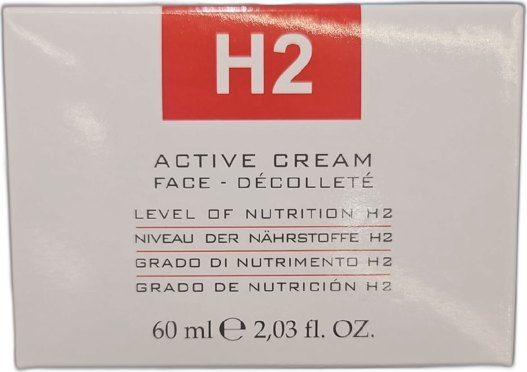
H2 Active Cream Face - Décolleté
Vital Plus Active
H2 Active Cream Face - Décolleté
3.5/ 522/8/16
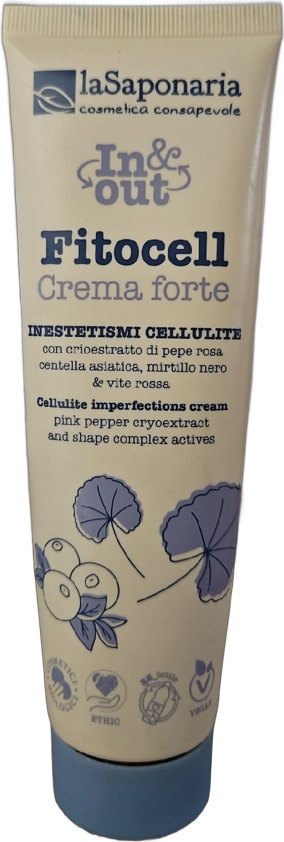
FITOCELL Crema forte inestetismi cellulite
laSaponaria
FITOCELL Crema forte inestetismi cellulite
3.3/ 516/8/13
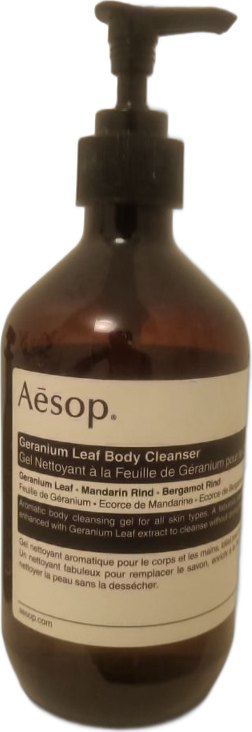
Geranium Leaf Body Cleanser
Aesop
Geranium Leaf Body Cleanser
2.5/ 51/4/10

Browse all products →

Frequently asked questions

What is Sodium Dehydroacetate used for in cosmetics?
Sodium Dehydroacetate is used as a preservative in cosmetics to prevent the growth of harmful microorganisms like bacteria and fungi, which can spoil products and cause skin infections.
Is Sodium Dehydroacetate safe for sensitive skin?
Sodium Dehydroacetate is generally considered safe for use in cosmetics. While rare, some individuals may experience mild irritation or sensitization, especially at higher concentrations or with prolonged contact.