SpottyLabs logoSpottylabs
Home › Ingredients › Sodium Caproyl/Lauroyl Lactylate

Sodium Caproyl/Lauroyl Lactylate

Also known as: Sodium Caproyl/Lauroyl Lactyl Lactate

Sodium caproyl/lauroyl lactylate is a mild, bio-based surfactant and antimicrobial agent derived from vegetable fatty acids and lactic acid. It specifically targets microorganisms associated with acne, body odor, and dandruff without significantly disrupting the broader skin microbiome. It is commonly used in clarifying cleansers, natural deodorants, and scalp treatments as a gentle alternative to harsher synthetic antimicrobials.

Antimicrobial surfactant
BenefitModerate 2.4 / 4
Acne i2.2 / 4

Whether it can help acne-prone skin — reducing clogged pores, excess oil, acne-causing bacteria, inflammation, or breakouts.

RiskLow 1 / 4
Eye irritation i1 / 4

Whether it may sting or irritate around the eyes. Relevant for sunscreens, fragrances, acids, surfactants, and volatile ingredients.

Irritation i0.8 / 4

Risk of short-term irritation — stinging, burning, dryness, redness, or discomfort. Common for strong actives, acids, retinoids, fragrances, and harsh surfactants.

Rated by SpottyLabs' ingredient methodology, independent of brands.

What it helps with

Things to watch

Pairs well with

See how this matches your skin

Find out exactly what you put onto your skin. Scan any product before you buy. Free and independent — no brand is paying us. Available on Android and iOS.

QR code linking to the SpottyLabs app on Google Play
QR code linking to the SpottyLabs app on the App Store

Products with Sodium Caproyl/Lauroyl Lactylate

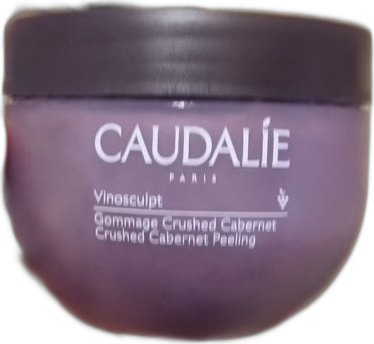
Vinosculpt Crushed Cabernet Scrub
Caudalie
Vinosculpt Crushed Cabernet Scrub
3.1/ 56/6/12

Browse all products →

Frequently asked questions

What does sodium caproyl/lauroyl lactylate do in cosmetics?
It serves as a mild antimicrobial agent and co-surfactant that selectively curbs the growth of bacteria and fungi responsible for blemishes, body odor, and scalp flaking.
Is sodium caproyl/lauroyl lactylate safe for sensitive skin?
It is generally well tolerated and significantly milder than traditional synthetic bactericides, though high concentrations can occasionally cause mild localized irritation.
Is sodium caproyl/lauroyl lactylate naturally derived?
It is typically synthesized from fermented plant sugars (lactic acid) and plant oils like coconut or palm, making it a common choice in natural formulations.