Spotty Labs logoSpotty Labs
HomeIngredients › Silica [nano]

Silica [nano]

Silica [nano] refers to silica particles engineered to be very small, typically less than 100 nanometers. In cosmetics, it is primarily used for its optical properties, such as blurring imperfections, and its ability to absorb oil. The safety of nanoparticles in cosmetics is a subject of ongoing research, particularly regarding skin penetration.

NoneMineralVeganEvidence: Medium
BenefitModerate 1.5 / 4
Oil control i2.5 / 4

Whether it can reduce excess sebum, shine, or greasiness — absorbents, sebum-regulating ingredients, and some acne actives.

Texture i1.5 / 4

Whether it can improve smoothness and surface texture — roughness, flaking, clogged pores, or unevenness. Exfoliating acids, retinoids, and smoothing moisturizers may score here.

RiskModerate 2 / 4
Systemic exposure i2 / 4

Whether it has meaningful potential to be absorbed into the body at levels that may matter biologically. Most cosmetic ingredients score low unless there is known concern or high exposure.

Rated by SpottyLabs' ingredient methodology, independent of brands.

What it helps with

Things to watch

See how this matches your skin

Find out exactly what you put onto your skin. Scan any product before you buy. Free and independent — no brand is paying us. Available on both on Android and Apple

QR code linking to the SpottyLabs app on Google Play
QR code linking to the SpottyLabs app on the App Store

Products with Silica [nano]

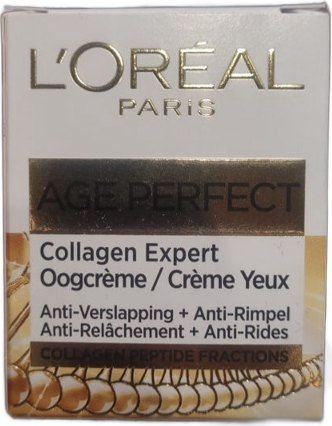
Age Perfect Collagen Expert Eye Cream
L'Oréal Paris
Age Perfect Collagen Expert Eye Cream
4.1/ 59/28/8

Browse all products →

Frequently asked questions

What is the difference between 'silica' and 'silica [nano]'?
The '[nano]' designation indicates that the silica particles are engineered to be very small, typically less than 100 nanometers. Regular silica refers to larger particles.
Is nano silica safe in cosmetics?
The safety of nanoparticles in cosmetics is an area of ongoing scientific research. While some studies suggest limited skin penetration, long-term effects and potential systemic exposure are still being investigated.