SpottyLabs logoSpottylabs
Home › Ingredients › Propylparaben

Propylparaben

Propylparaben is a common preservative used in cosmetics and personal care products. It helps prevent the growth of bacteria, yeasts, and molds, extending the product's shelf life. This ensures the product remains safe and effective for use over time.

PreservativeVegan
BenefitNone 0 / 4
RiskHigh 2.5 / 4
Endocrine i2.5 / 4

Whether it has known or suspected hormone-related activity or endocrine-disruption concern.

Systemic exposure i2 / 4

Whether it has meaningful potential to be absorbed into the body at levels that may matter biologically. Most cosmetic ingredients score low unless there is known concern or high exposure.

Sensitization i1.5 / 4

Risk of allergic contact dermatitis or immune-based reactions. Fragrance allergens, preservatives, botanicals, and some dyes may score here.

Rated by SpottyLabs' ingredient methodology, independent of brands.

Things to watch

See how this matches your skin

Find out exactly what you put onto your skin. Scan any product before you buy. Free and independent — no brand is paying us. Available on Android and iOS.
QR code linking to the SpottyLabs app on Google Play
QR code linking to the SpottyLabs app on the App Store

Products with Propylparaben

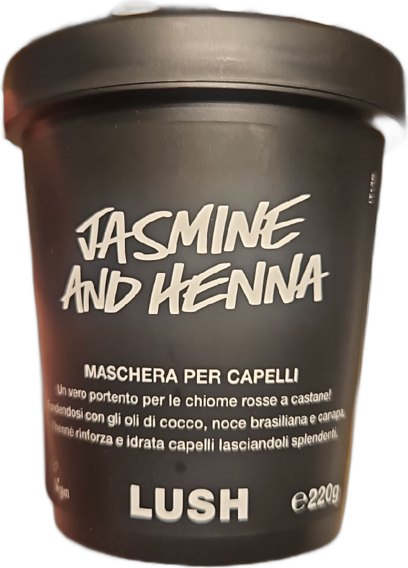
Asmine and Henna Hair Mask
4.1/ 59/1/16
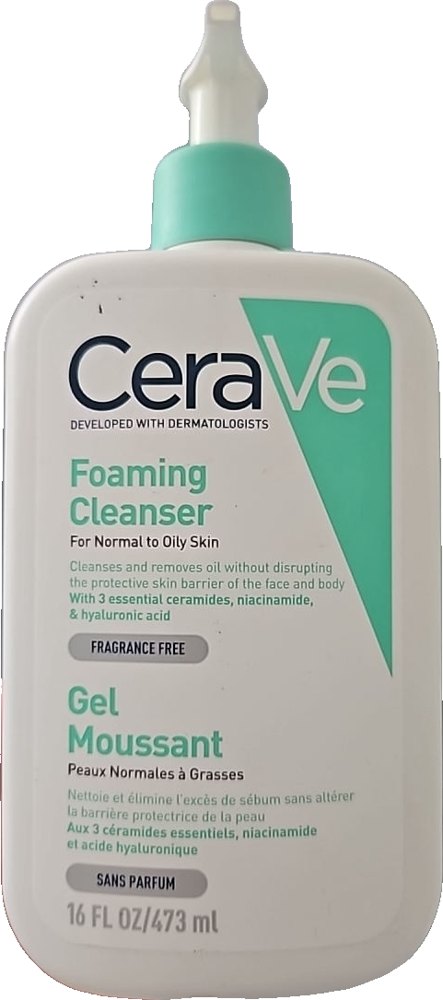
Foaming Facial Cleanser for Normal to Oily Skin
CeraVe
Foaming Facial Cleanser for Normal to Oily Skin
3.7/ 59/11/4
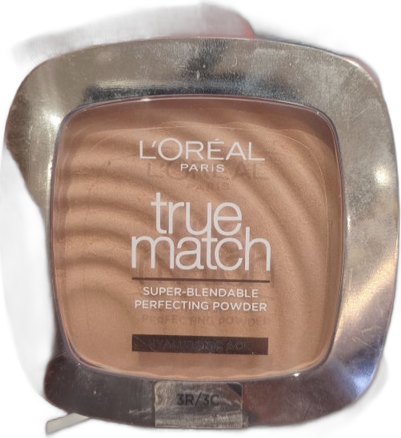
True Match Super-Blendable Powder
L'Oréal Paris
True Match Super-Blendable Powder
3.5/ 57/9/4
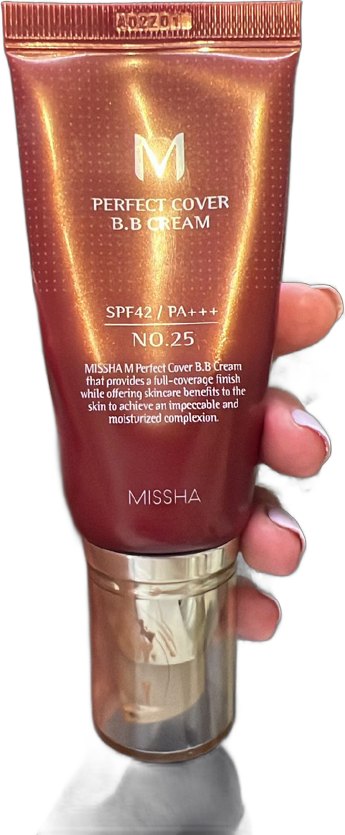
M Perfect Cover BB Cream
MISSHA
M Perfect Cover BB Cream
3.3/ 517/4/16

Browse all products →

Frequently asked questions

What are parabens?
Parabens are a class of widely used preservatives in cosmetic and pharmaceutical products. They are effective at preventing the growth of fungi, bacteria, and other microbes.
Are parabens safe?
The safety of parabens has been a subject of debate. Regulatory bodies generally consider them safe at low concentrations, but some studies suggest potential endocrine-disrupting effects.