Spotty Labs logoSpotty Labs
HomeIngredients › PEG-12

PEG-12

PEG-12 is a synthetic polymer of ethylene glycol, belonging to the polyethylene glycol (PEG) family. It functions as a humectant, helping to attract and retain moisture in the skin. It can also act as a solvent and emulsifier, aiding in the uniform distribution of ingredients in a formulation.

NoneSolvent, humectant, emulsifierVeganEvidence: Medium
BenefitMinimal 0.5 / 4
Hydration i0.5 / 4

Whether the ingredient helps increase the skin’s water content — humectants that attract water, ingredients that reduce water loss, or ones that make skin feel less dry.

RiskLow 0.5 / 4
Irritation i0.2 / 4

Risk of short-term irritation — stinging, burning, dryness, redness, or discomfort. Common for strong actives, acids, retinoids, fragrances, and harsh surfactants.

Sensitization i0.1 / 4

Risk of allergic contact dermatitis or immune-based reactions. Fragrance allergens, preservatives, botanicals, and some dyes may score here.

Rated by SpottyLabs' ingredient methodology, independent of brands.

What it helps with

See how this matches your skin

Find out exactly what you put onto your skin. Scan any product before you buy. Free and independent — no brand is paying us. Available on both on Android and Apple

QR code linking to the SpottyLabs app on Google Play
QR code linking to the SpottyLabs app on the App Store

Products with PEG-12

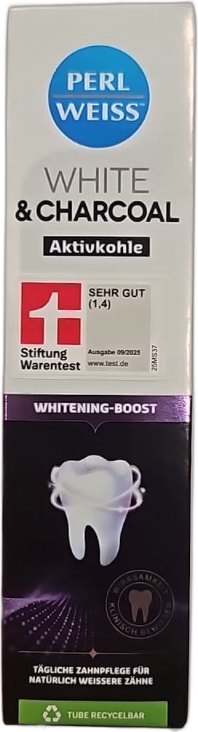
White & Charcoal
Perl Weiss
White & Charcoal
3.6/ 51/13/7
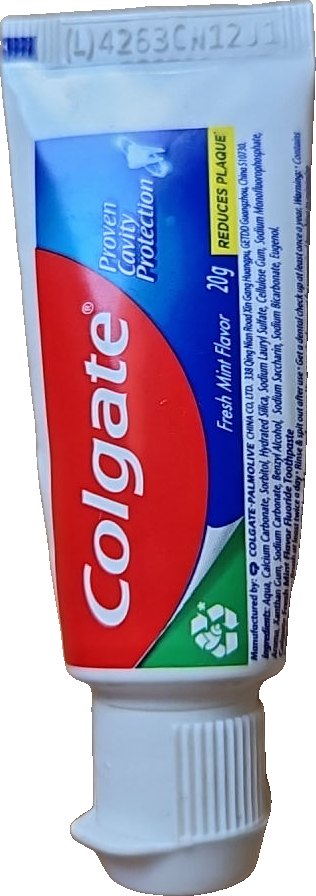
Proven Protection Cavity (Fresh Mint)
Colgate
Proven Protection Cavity (Fresh Mint)
3.2/ 50/6/4

Browse all products →

Frequently asked questions

What is PEG-12 and what does it do in skincare?
PEG-12 is a synthetic compound used in skincare as a humectant, meaning it helps the skin retain moisture. It also functions as a solvent and emulsifier, improving the product's consistency and ingredient distribution.
Is PEG-12 safe for sensitive skin?
While generally considered safe, some individuals with highly compromised or sensitive skin may experience mild irritation from PEGs, especially at higher concentrations or if the skin barrier is damaged.