SpottyLabs logoSpottylabs
Home › Ingredients › Linalyl Acetate

Linalyl Acetate

Linalyl Acetate is a naturally occurring or synthetic fragrance compound found in many flowers and spice plants, such as lavender and bergamot. It has a pleasant, sweet, floral, and fruity aroma. It is widely used in perfumes, soaps, and other cosmetic products to provide a fresh scent.

Fragrance ingredientVegan
BenefitNone 0 / 4
RiskModerate 1.5 / 4
Sensitization i1.5 / 4

Risk of allergic contact dermatitis or immune-based reactions. Fragrance allergens, preservatives, botanicals, and some dyes may score here.

Systemic exposure i0.5 / 4

Whether it has meaningful potential to be absorbed into the body at levels that may matter biologically. Most cosmetic ingredients score low unless there is known concern or high exposure.

Rated by SpottyLabs' ingredient methodology, independent of brands.

Things to watch

See how this matches your skin

Find out exactly what you put onto your skin. Scan any product before you buy. Free and independent — no brand is paying us. Available on Android and iOS.

QR code linking to the SpottyLabs app on Google Play
QR code linking to the SpottyLabs app on the App Store

Products with Linalyl Acetate

Elseve Growth Booster Shampoo
L'Oréal Paris
Elseve Growth Booster Shampoo
4.2/ 55/7/17
Intense Color Deep Caring Shampoo
Syoss
Intense Color Deep Caring Shampoo
4.1/ 56/12/15
Intense Keratin Deep Caring Shampoo
Syoss
Intense Keratin Deep Caring Shampoo
4.1/ 55/12/11
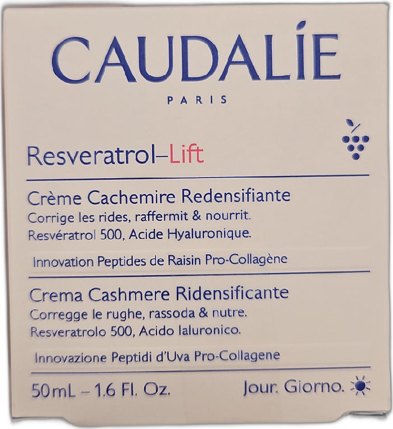
Resveratrol-Lift Firming Cashmere Cream
Caudalie
Resveratrol-Lift Firming Cashmere Cream
3.8/ 522/15/13

Browse all products →

Frequently asked questions

What is Linalyl Acetate?
Linalyl Acetate is a fragrance ingredient with a sweet, floral, and fruity scent, found naturally in plants like lavender and bergamot, and also produced synthetically.
Can Linalyl Acetate cause skin irritation?
Like many fragrance ingredients, Linalyl Acetate can cause skin sensitization or allergic reactions in some individuals, particularly those with pre-existing sensitivities.