SpottyLabs logoSpottylabs
Home › Ingredients › Lactic Acid

Lactic Acid

Lactic acid is an alpha hydroxy acid (AHA) derived from milk or plant sources. It works by gently exfoliating the skin's surface, helping to remove dead skin cells and improve skin texture. It also acts as a humectant, drawing moisture into the skin, making it a good choice for those seeking both exfoliation and hydration.

AhaAlpha hydroxy acid (AHA)
BenefitStrong 3.5 / 4
Texture i3 / 4

Whether it can improve smoothness and surface texture — roughness, flaking, clogged pores, or unevenness. Exfoliating acids, retinoids, and smoothing moisturizers may score here.

Pigmentation i2.5 / 4

Whether it can help uneven tone, dark spots, melasma-like discoloration, or post-inflammatory hyperpigmentation — including brightening and tyrosinase-inhibiting ingredients.

Hydration i2.5 / 4

Whether the ingredient helps increase the skin’s water content — humectants that attract water, ingredients that reduce water loss, or ones that make skin feel less dry.

Anti aging i2 / 4

Whether it can help visible signs of aging — fine lines, wrinkles, loss of firmness, or photoaging.

Acne i1.5 / 4

Whether it can help acne-prone skin — reducing clogged pores, excess oil, acne-causing bacteria, inflammation, or breakouts.

Barrier support i1 / 4

Whether it supports the skin barrier — restoring lipids, reducing water loss, aiding barrier repair, or strengthening the skin’s protective function.

RiskModerate 2 / 4
Photosensitivity i3 / 4

Whether it can make skin more sensitive to sunlight, raising the risk of sunburn or UV-related irritation. Relevant for some exfoliating acids, retinoids, and certain plant-derived ingredients.

Irritation i2 / 4

Risk of short-term irritation — stinging, burning, dryness, redness, or discomfort. Common for strong actives, acids, retinoids, fragrances, and harsh surfactants.

Barrier disruption i1.5 / 4

Whether it can weaken or damage the skin barrier — harsh surfactants, strong exfoliants, high alcohol content, or overuse-prone actives.

Eye irritation i1 / 4

Whether it may sting or irritate around the eyes. Relevant for sunscreens, fragrances, acids, surfactants, and volatile ingredients.

Sensitization i1 / 4

Risk of allergic contact dermatitis or immune-based reactions. Fragrance allergens, preservatives, botanicals, and some dyes may score here.

Rated by SpottyLabs' ingredient methodology, independent of brands.

What it helps with

Things to watch

Pairs well with

Be careful combining with

See how this matches your skin

Find out exactly what you put onto your skin. Scan any product before you buy. Free and independent — no brand is paying us. Available on Android and iOS.
QR code linking to the SpottyLabs app on Google Play
QR code linking to the SpottyLabs app on the App Store

Products with Lactic Acid

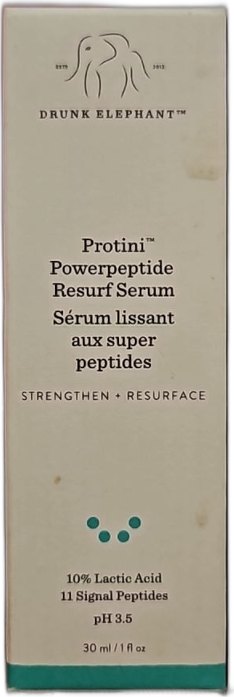
Protini Powerpeptide Resurf Serum
Drunk Elephant
Protini Powerpeptide Resurf Serum
4.7/ 544/27/6
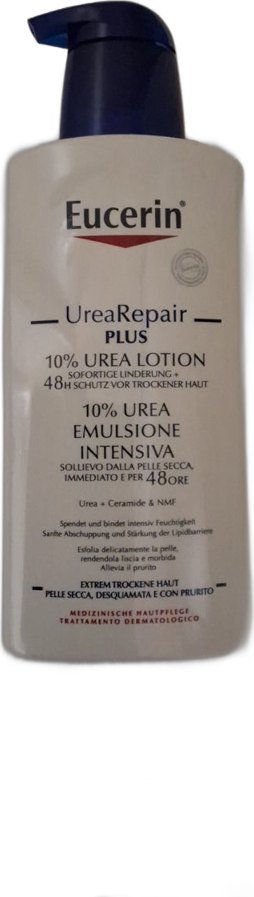
UreaRepair PLUS 10% Urea Lotion
Eucerin
UreaRepair PLUS 10% Urea Lotion
4.7/ 515/13/4
UreaRepair PLUS 5% Urea Hand Cream
Eucerin
UreaRepair PLUS 5% Urea Hand Cream
4.6/ 512/11/4
SA Smoothing Cream
CeraVe
SA Smoothing Cream
4.6/ 512/13/7

Browse all products →

Frequently asked questions

How does lactic acid differ from other AHAs?
Lactic acid has a larger molecular size than glycolic acid, making it a milder exfoliant. It also has humectant properties, meaning it helps to hydrate the skin while exfoliating, which can be beneficial for drier skin types.
Can I use lactic acid every day?
The frequency of use depends on the concentration and your skin's tolerance. Starting with a lower concentration a few times a week and gradually increasing can help prevent irritation. Always use daily sunscreen when using lactic acid.