SpottyLabs logoSpottylabs
Home › Ingredients › Hydrolyzed Collagen

Hydrolyzed Collagen

Hydrolyzed collagen is a form of collagen that has been broken down into smaller peptides through a process called hydrolysis. This makes it easier for the body to absorb and utilize. In cosmetics, it's primarily used for its moisturizing and film-forming properties, helping to hydrate the skin and hair. It is typically derived from animal sources.

Skin conditioning agent, humectantNot vegan
BenefitModerate 1.8 / 4
Hydration i2.5 / 4

Whether the ingredient helps increase the skin’s water content — humectants that attract water, ingredients that reduce water loss, or ones that make skin feel less dry.

Texture i1 / 4

Whether it can improve smoothness and surface texture — roughness, flaking, clogged pores, or unevenness. Exfoliating acids, retinoids, and smoothing moisturizers may score here.

RiskVery low 0 / 4

Rated by SpottyLabs' ingredient methodology, independent of brands.

What it helps with

See how this matches your skin

Find out exactly what you put onto your skin. Scan any product before you buy. Free and independent — no brand is paying us. Available on Android and iOS.


QR code linking to the SpottyLabs app on Google Play
QR code linking to the SpottyLabs app on the App Store

Products with Hydrolyzed Collagen

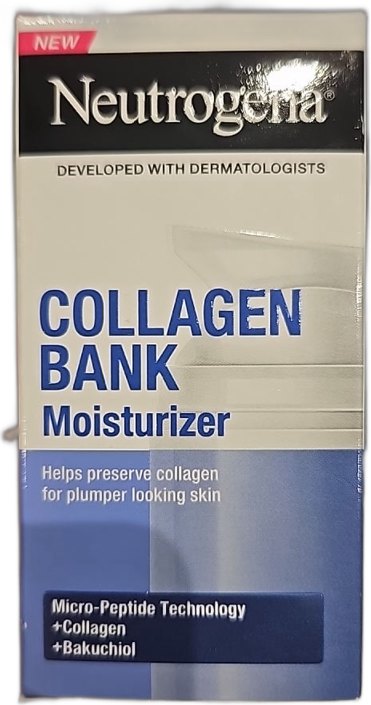
Collagen Bank Moisturizer
Neutrogena
Collagen Bank Moisturizer
4.3/ 54/11/2
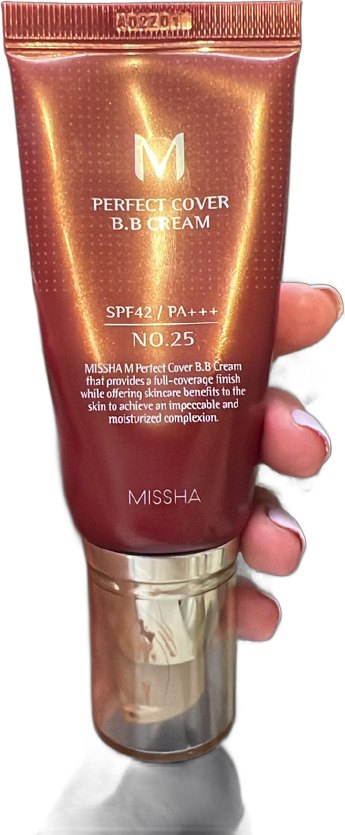
M Perfect Cover BB Cream
MISSHA
M Perfect Cover BB Cream
3.8/ 513/8/16

Browse all products →

Frequently asked questions

What is the difference between collagen and hydrolyzed collagen?
Collagen is a large protein, while hydrolyzed collagen is collagen that has been broken down into smaller peptide fragments. This hydrolysis process makes the collagen more soluble and potentially more bioavailable for absorption and use by the body, especially in supplements.
Can hydrolyzed collagen be absorbed by the skin?
Topically applied hydrolyzed collagen primarily acts on the skin's surface as a humectant and film-former, helping to hydrate and reduce moisture loss. Its large molecular size generally prevents significant penetration into the deeper layers of the skin to directly replenish natural collagen.