SpottyLabs logoSpottylabs
Home › Ingredients › Geraniol

Geraniol

Geraniol is a naturally occurring alcohol found in essential oils like rose and palmarosa. It is primarily used in cosmetics for its pleasant, rose-like scent. While it contributes to a product's aroma, it does not offer direct benefits to the skin.

Fragrance ingredientVegan
BenefitNone 0 / 4
RiskModerate 1.5 / 4
Sensitization i2.5 / 4

Risk of allergic contact dermatitis or immune-based reactions. Fragrance allergens, preservatives, botanicals, and some dyes may score here.

Irritation i1 / 4

Risk of short-term irritation — stinging, burning, dryness, redness, or discomfort. Common for strong actives, acids, retinoids, fragrances, and harsh surfactants.

Systemic exposure i0.5 / 4

Whether it has meaningful potential to be absorbed into the body at levels that may matter biologically. Most cosmetic ingredients score low unless there is known concern or high exposure.

Rated by SpottyLabs' ingredient methodology, independent of brands.

Things to watch

See how this matches your skin

Find out exactly what you put onto your skin. Scan any product before you buy. Free and independent — no brand is paying us. Available on Android and iOS.
QR code linking to the SpottyLabs app on Google Play
QR code linking to the SpottyLabs app on the App Store

Products with Geraniol

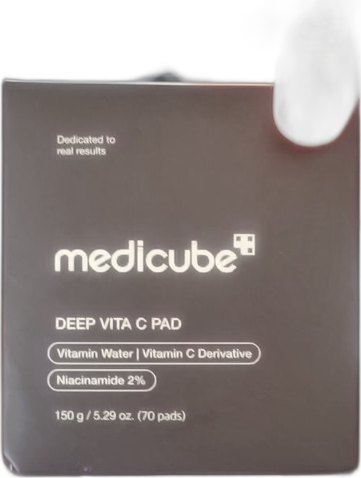
Deep Vita C Pad
Medicube
Deep Vita C Pad
4.5/ 517/21/10
Lait Solaire Fondant Très Haute Protection SPF50+
NUXE
Lait Solaire Fondant Très Haute Protection SPF50+
4.3/ 512/21/9
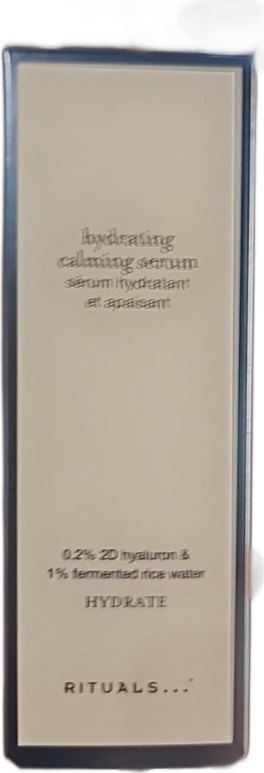
Hydrating Calming Serum
Rituals
Hydrating Calming Serum
4.2/ 515/14/18
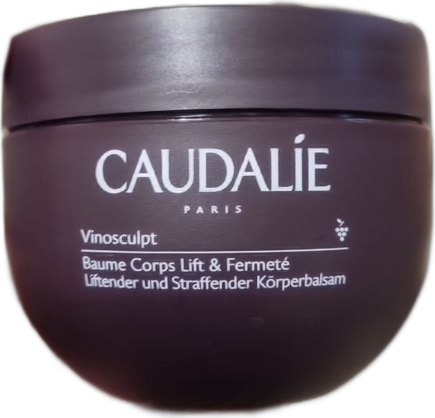
Vinosculpt Baume Corps Lift & Fermeté
Caudalie
Vinosculpt Baume Corps Lift & Fermeté
4.2/ 56/20/7

Browse all products →

Frequently asked questions

What is geraniol used for in cosmetics?
Geraniol is primarily used as a fragrance ingredient in cosmetic products due to its pleasant, rose-like scent. It helps to mask unpleasant odors or add a desired aroma to formulations.
Is geraniol safe for sensitive skin?
Geraniol is a known allergen and can cause skin sensitization, especially in individuals with sensitive skin or fragrance allergies. It is often listed on ingredient labels to inform consumers with sensitivities.