SpottyLabs logoSpottylabs
Home › Ingredients › Dihydroxyacetone

Dihydroxyacetone

Dihydroxyacetone (DHA) is a sugar molecule that reacts with amino acids in the outermost layer of the skin to produce a temporary brown color. It is the most common active ingredient in self-tanning products, providing a sunless tan without UV exposure. The tan typically lasts several days and fades as the skin naturally exfoliates.

Self-tanning agentVegan
BenefitGood 2.5 / 4
Pigmentation i2.5 / 4

Whether it can help uneven tone, dark spots, melasma-like discoloration, or post-inflammatory hyperpigmentation — including brightening and tyrosinase-inhibiting ingredients.

RiskModerate 1.5 / 4
Irritation i0.8 / 4

Risk of short-term irritation — stinging, burning, dryness, redness, or discomfort. Common for strong actives, acids, retinoids, fragrances, and harsh surfactants.

Barrier disruption i0.5 / 4

Whether it can weaken or damage the skin barrier — harsh surfactants, strong exfoliants, high alcohol content, or overuse-prone actives.

Sensitization i0.5 / 4

Risk of allergic contact dermatitis or immune-based reactions. Fragrance allergens, preservatives, botanicals, and some dyes may score here.

Eye irritation i0.5 / 4

Whether it may sting or irritate around the eyes. Relevant for sunscreens, fragrances, acids, surfactants, and volatile ingredients.

Rated by SpottyLabs' ingredient methodology, independent of brands.

What it helps with

Things to watch

See how this matches your skin

Find out exactly what you put onto your skin. Scan any product before you buy. Free and independent — no brand is paying us. Available on Android and iOS.
QR code linking to the SpottyLabs app on Google Play
QR code linking to the SpottyLabs app on the App Store

Products with Dihydroxyacetone

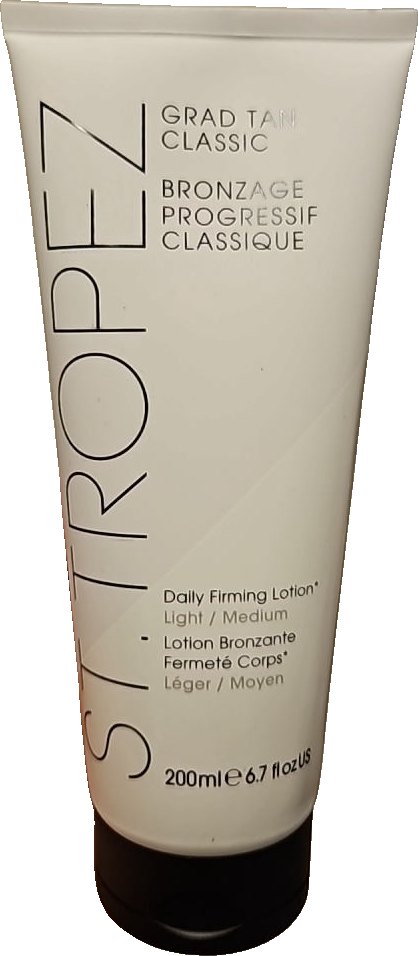
Self Tan Classic Bronzing Lotion (Light/Medium)
St. Tropez
Self Tan Classic Bronzing Lotion (Light/Medium)
3.5/ 53/12/19
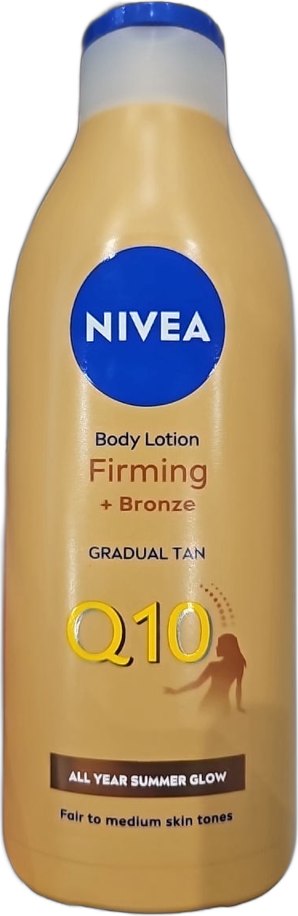
Q10 Firming + Bronze Gradual Tan Body Lotion
NIVEA
Q10 Firming + Bronze Gradual Tan Body Lotion
3.3/ 52/5/14

Browse all products →

Frequently asked questions

How does Dihydroxyacetone (DHA) create a tan?
DHA reacts with amino acids in the dead skin cells on the skin's surface, creating melanoidins, which are brown pigments. This reaction is known as the Maillard reaction.
Is a DHA tan protective against the sun?
No, a DHA-induced tan does not provide any protection against UV radiation. It is essential to still use sunscreen when exposed to the sun.
How long does a DHA tan last?
A DHA tan typically lasts for about 5-7 days, as the outermost layer of skin cells, where the tan is formed, naturally sheds.