SpottyLabs logoSpottylabs
Home › Ingredients › Cocamidopropyl Hydroxysultaine

Cocamidopropyl Hydroxysultaine

Also known as: CAHS, Coco-Betaine Hydroxysultaine

Cocamidopropyl Hydroxysultaine is a mild amphoteric surfactant derived from coconut oil. It is commonly used as a co-surfactant to boost foam, improve viscosity, and reduce the irritation potential of other, harsher cleansing agents. It helps create a rich, stable lather and leaves a soft feel.

SurfactantVegan
BenefitMinimal 0.7 / 4
Soothing i0.5 / 4

Whether it can calm the skin — linked to less redness, irritation, discomfort, or visible reactivity.

RiskLow 1 / 4
Sensitization i1 / 4

Risk of allergic contact dermatitis or immune-based reactions. Fragrance allergens, preservatives, botanicals, and some dyes may score here.

Rated by SpottyLabs' ingredient methodology, independent of brands.

What it helps with

Things to watch

See how this matches your skin

Find out exactly what you put onto your skin. Scan any product before you buy. Free and independent — no brand is paying us. Available on Android and iOS.
QR code linking to the SpottyLabs app on Google Play
QR code linking to the SpottyLabs app on the App Store

Products with Cocamidopropyl Hydroxysultaine

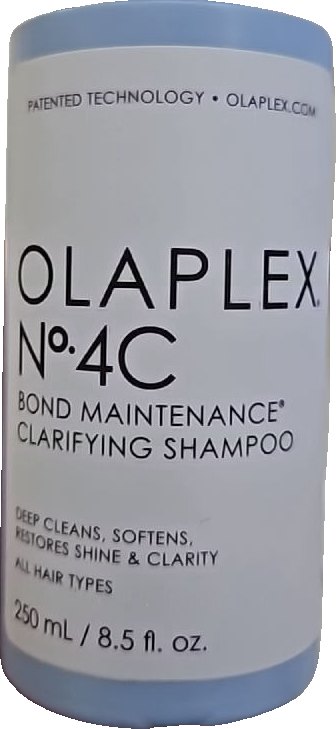
Bond Maintenance Clarifying Shampoo
Olaplex
Bond Maintenance Clarifying Shampoo
4.1/ 516/18/9
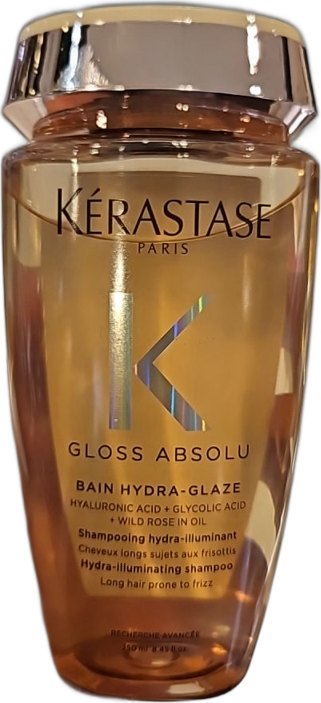
Gloss Absolu Bain Hydra-Glaze
Kérastase
Gloss Absolu Bain Hydra-Glaze
4/ 58/9/13
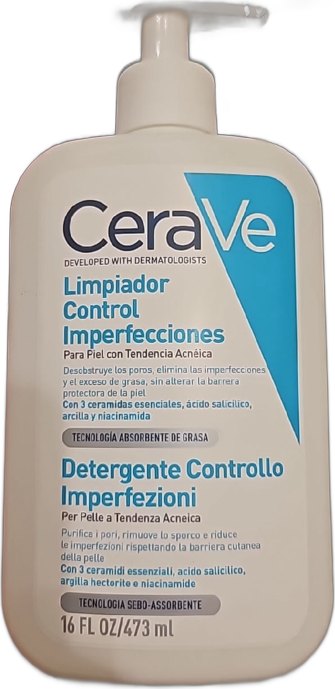
Blemish Control Cleanser
CeraVe
Blemish Control Cleanser
3.8/ 512/13/2
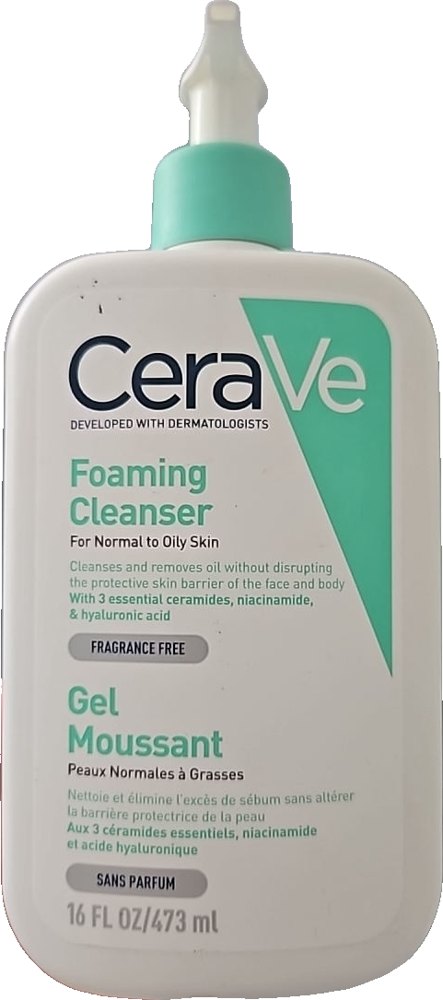
Foaming Facial Cleanser for Normal to Oily Skin
CeraVe
Foaming Facial Cleanser for Normal to Oily Skin
3.7/ 59/11/4

Browse all products →

Frequently asked questions

Is Cocamidopropyl Hydroxysultaine a sulfate?
No, Cocamidopropyl Hydroxysultaine is not a sulfate. It belongs to the hydroxysultaine class of surfactants, which are known for their mildness and are often used in sulfate-free formulations.
What is the difference between Cocamidopropyl Hydroxysultaine and Cocamidopropyl Betaine?
While both are mild surfactants derived from coconut, Cocamidopropyl Hydroxysultaine is generally considered even milder and less likely to cause sensitization than Cocamidopropyl Betaine, especially in individuals prone to allergies.