SpottyLabs logoSpottylabs
Home › Ingredients › Butylene Glycol Dicaprylate/Dicaprate

Butylene Glycol Dicaprylate/Dicaprate

Also known as: 1,3-Butylene Glycol Dicaprylate/Dicaprate

Butylene Glycol Dicaprylate/Dicaprate is a lightweight emollient ester synthesized from butylene glycol and fatty acids. It helps soften the skin and lock in moisture without leaving a greasy or sticky residue. It is widely used in facial creams and sunscreens for its excellent skin compatibility and smooth spreadability.

Emollient ester
BenefitModerate 1.5 / 4
Barrier support i1.5 / 4

Whether it supports the skin barrier — restoring lipids, reducing water loss, aiding barrier repair, or strengthening the skin’s protective function.

Hydration i1.2 / 4

Whether the ingredient helps increase the skin’s water content — humectants that attract water, ingredients that reduce water loss, or ones that make skin feel less dry.

RiskLow 0.5 / 4
Acne aggravation i0.5 / 4

Whether it may worsen breakouts — clogging pores, feeling heavy on acne-prone skin, or triggering comedones in some users.

Rated by SpottyLabs' ingredient methodology, independent of brands.

What it helps with

Things to watch

See how this matches your skin

Find out exactly what you put onto your skin. Scan any product before you buy. Free and independent — no brand is paying us. Available on Android and iOS.
QR code linking to the SpottyLabs app on Google Play
QR code linking to the SpottyLabs app on the App Store

Products with Butylene Glycol Dicaprylate/Dicaprate

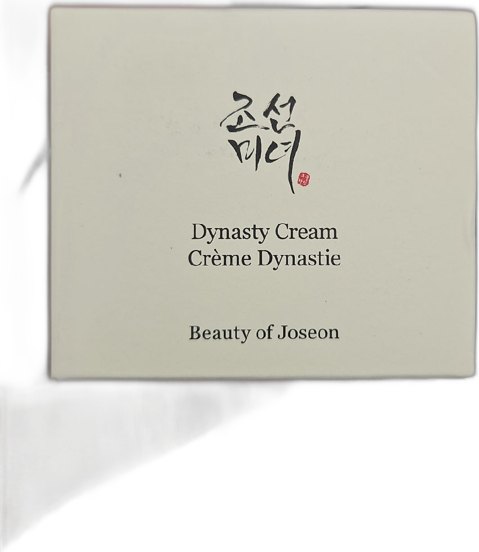
Dynasty Cream
Beauty of Joseon
Dynasty Cream
4.7/ 525/11/1
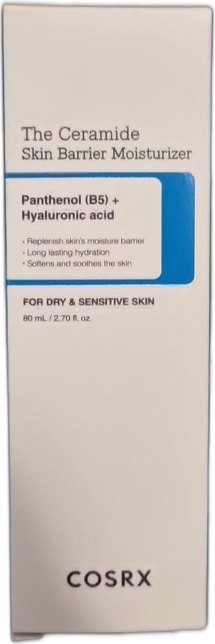
The Ceramide Skin Barrier Moisturizer
COSRX
The Ceramide Skin Barrier Moisturizer
4.3/ 532/15/2
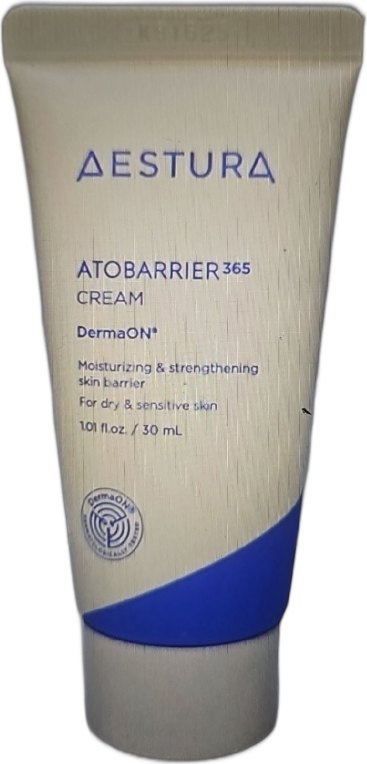
ATOBARRIER365 Cream
AESTURA
ATOBARRIER365 Cream
4.3/ 522/17/3
Sun Gel-Cream Oil Control Dry Touch SPF 50+
Eucerin
Sun Gel-Cream Oil Control Dry Touch SPF 50+
3.7/ 513/13/6

Browse all products →

Frequently asked questions

Is Butylene Glycol Dicaprylate/Dicaprate pore-clogging?
It has a low comedogenic profile due to its lightweight ester structure, making it generally suitable for most skin types.
Why is it commonly found in sunscreens?
It functions as an effective solvent and dispersing agent for UV filters while delivering a non-greasy finish on the skin.