SpottyLabs logoSpottylabs
Home › Ingredients › Acetaminophen

Acetaminophen

Acetaminophen is a widely used over-the-counter medication primarily known for its pain-relieving and fever-reducing properties. It works by affecting the body's pain and temperature regulation pathways. While primarily taken orally, it is not typically used as a cosmetic ingredient. It is important to follow dosing instructions carefully to avoid potential side effects.

AnalgesicVegan
BenefitStrong 3.5 / 4
RiskHigh 2.5 / 4
Sensitization i0.5 / 4

Risk of allergic contact dermatitis or immune-based reactions. Fragrance allergens, preservatives, botanicals, and some dyes may score here.

Irritation i0.5 / 4

Risk of short-term irritation — stinging, burning, dryness, redness, or discomfort. Common for strong actives, acids, retinoids, fragrances, and harsh surfactants.

Rated by SpottyLabs' ingredient methodology, independent of brands.

What it helps with

Things to watch

Be careful combining with

See how this matches your skin

Find out exactly what you put onto your skin. Scan any product before you buy. Free and independent — no brand is paying us. Available on Android and iOS.


QR code linking to the SpottyLabs app on Google Play
QR code linking to the SpottyLabs app on the App Store

Products with Acetaminophen

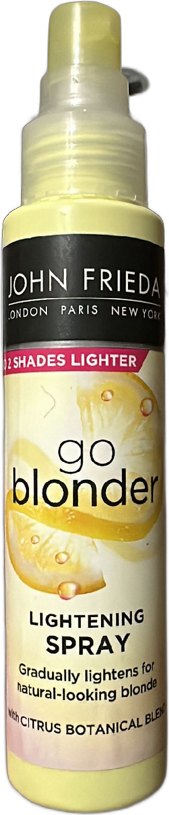
Go Blonder Lightening Spray
John Frieda
Go Blonder Lightening Spray
2.5/ 53/9/10

Browse all products →

Frequently asked questions

What is acetaminophen used for?
Acetaminophen is a common over-the-counter medication used to relieve mild to moderate pain, such as headaches, muscle aches, and menstrual cramps, and to reduce fever.
What are the main risks of taking acetaminophen?
The primary risk associated with acetaminophen is liver damage, particularly when taken in doses higher than recommended or when combined with alcohol. Allergic reactions can also occur in some individuals.
Can acetaminophen be used topically?
While some topical formulations containing acetaminophen exist, it is primarily intended for oral ingestion, and its topical efficacy for pain relief is generally considered limited compared to oral use.